Since founding the graduate design degree program at Indiana University in 2002, I’ve been invested in advocating and advancing the practices of design thinking and people-centered design.
QUESTION
“What are the boundaries of design?” asked Mme. L. Amic of the Musée des Arts Décoratifs, Palais de Louvre in 1972.

RESPONSE
“What are the boundaries of problems?” replied Charles Eames.
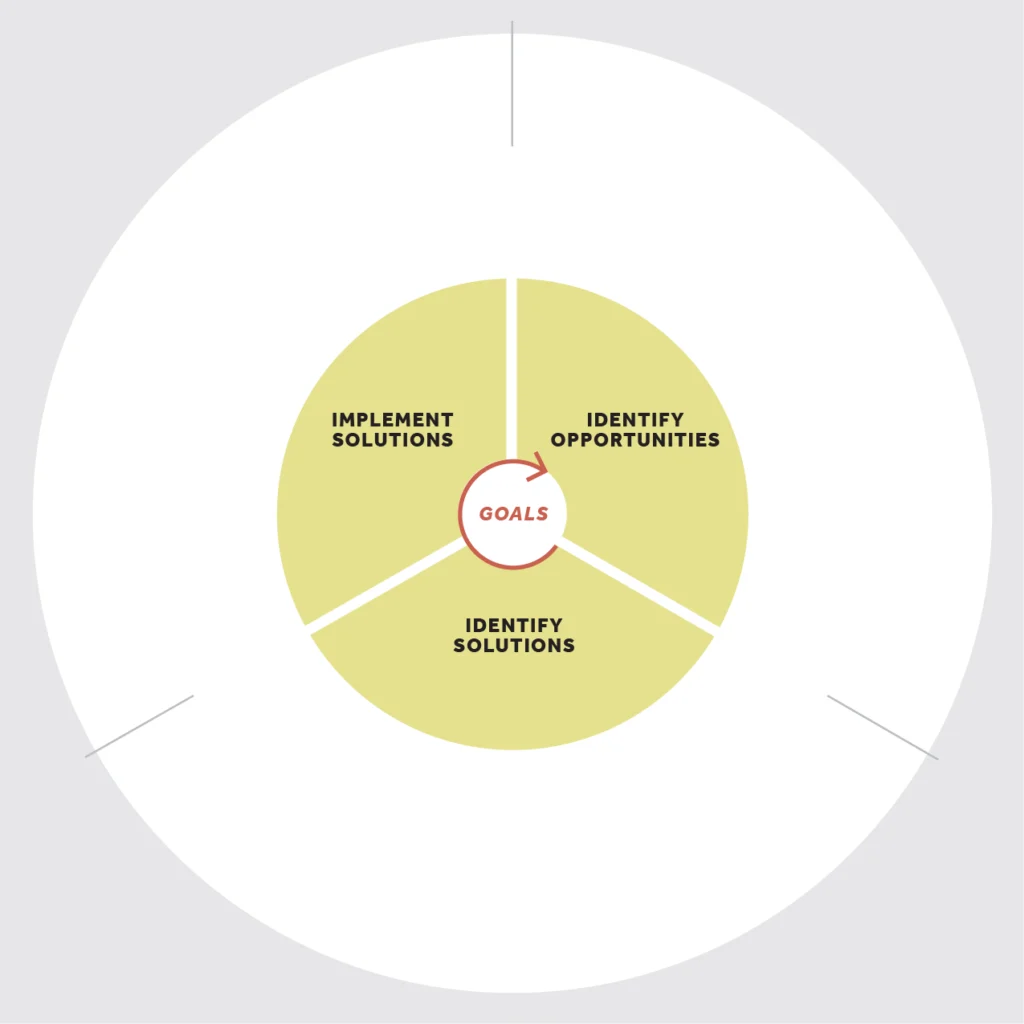
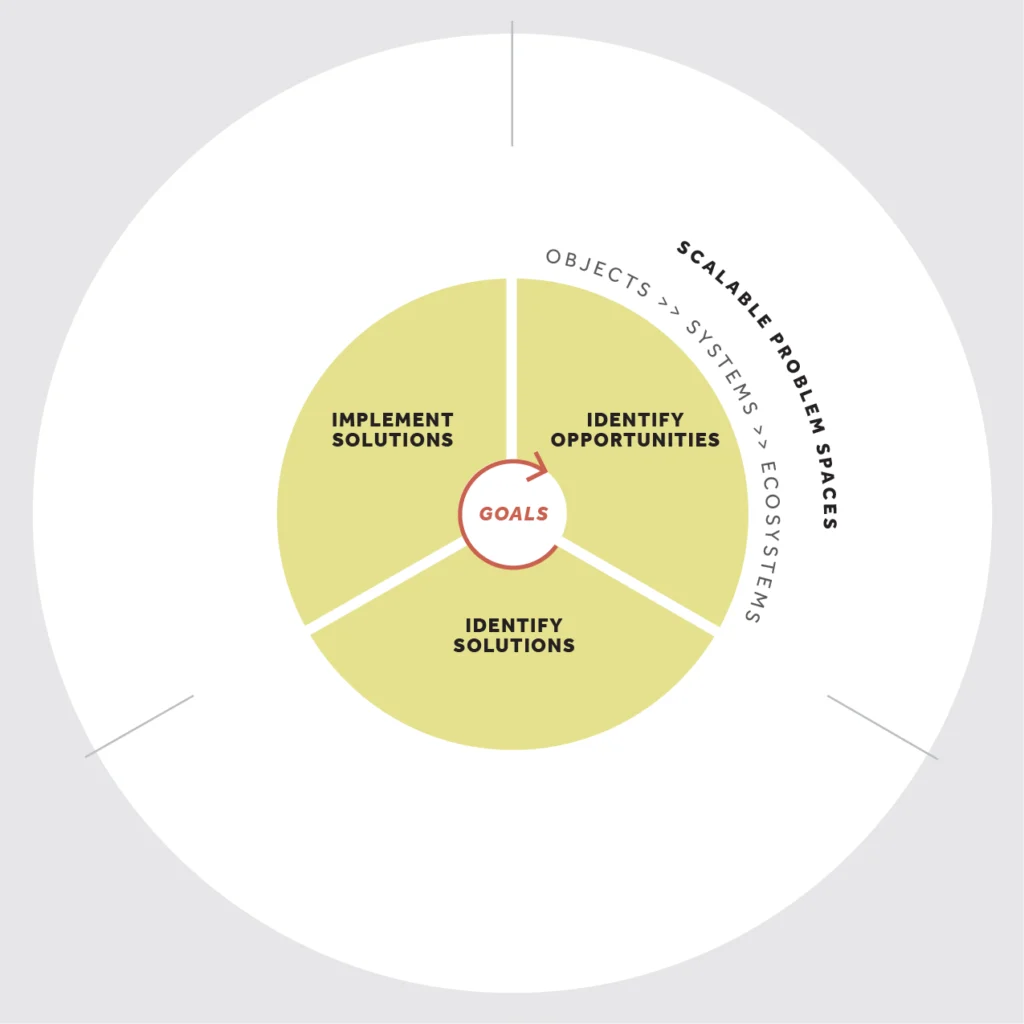
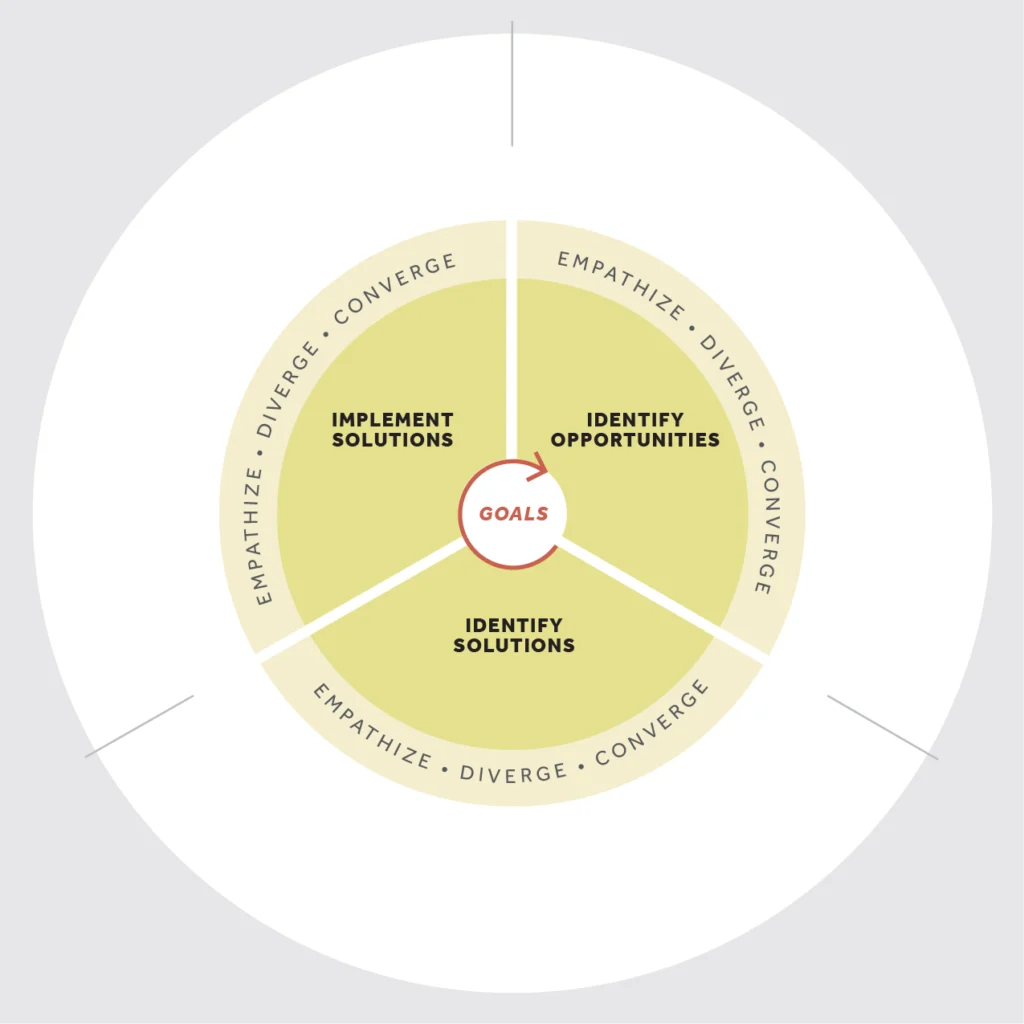
Design THINKING METHODOLOGY • Process and process skills
COLLABORATIVE CREATIVE PROBLEM SOLVING
Transferrable / scalable design process synthesized from multiple models across the history of creative problem-solving practices; inspirations include Simplex Creative Problem Solving Process (Basadur) and Gravity Tank Design Approach (Conley)
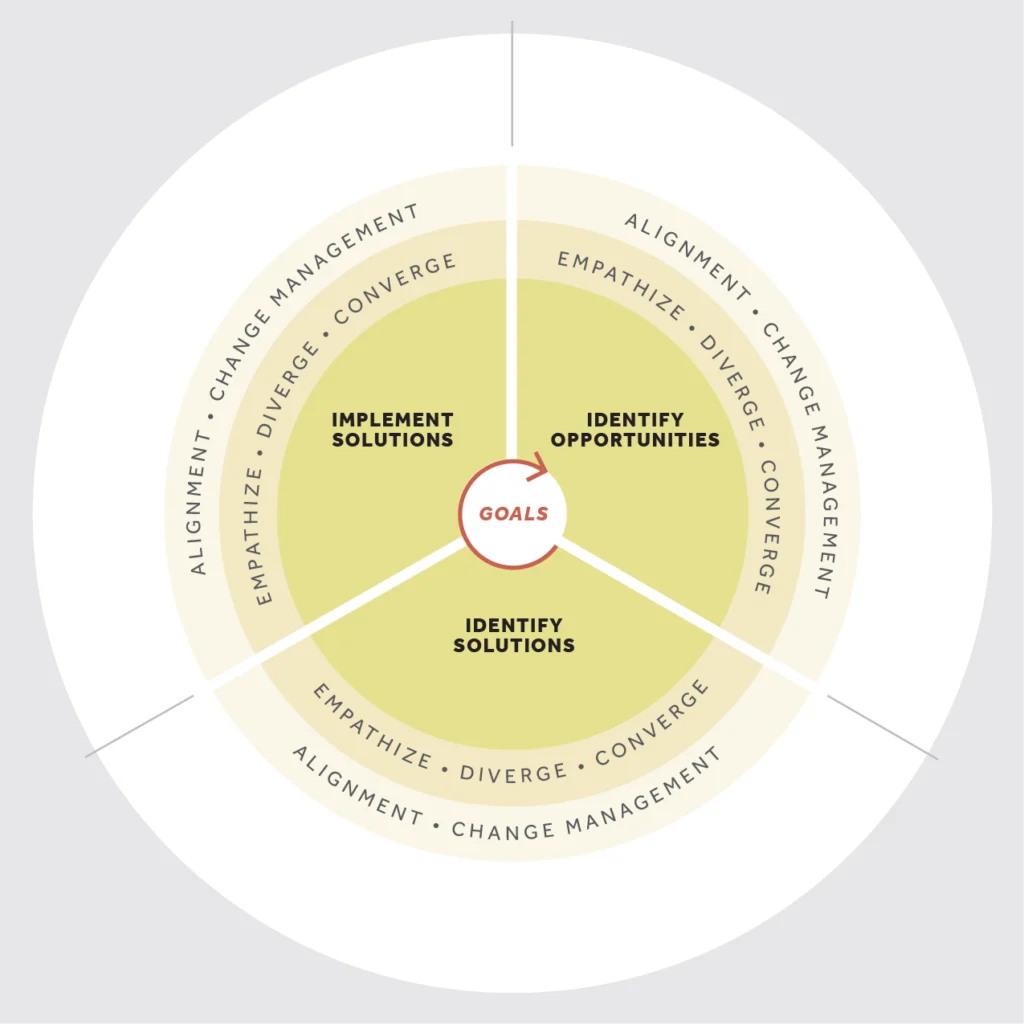
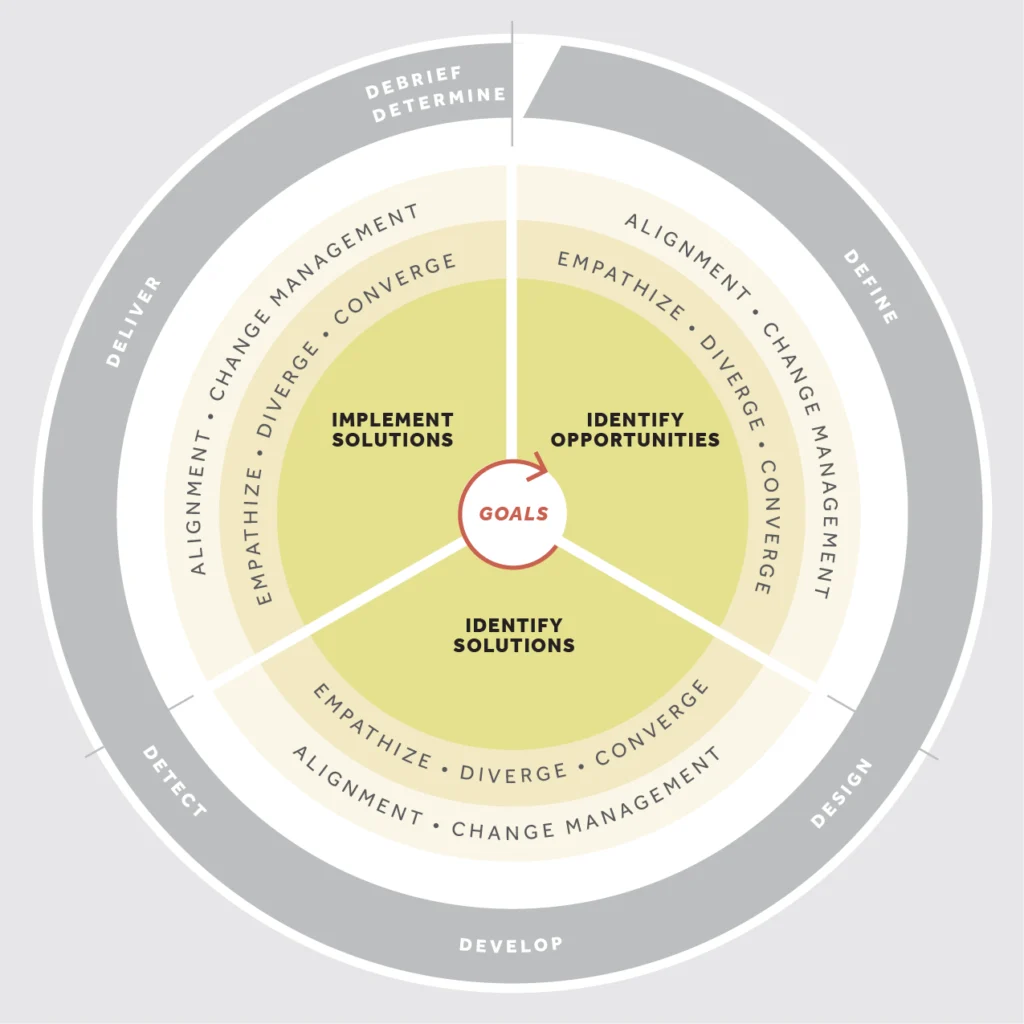
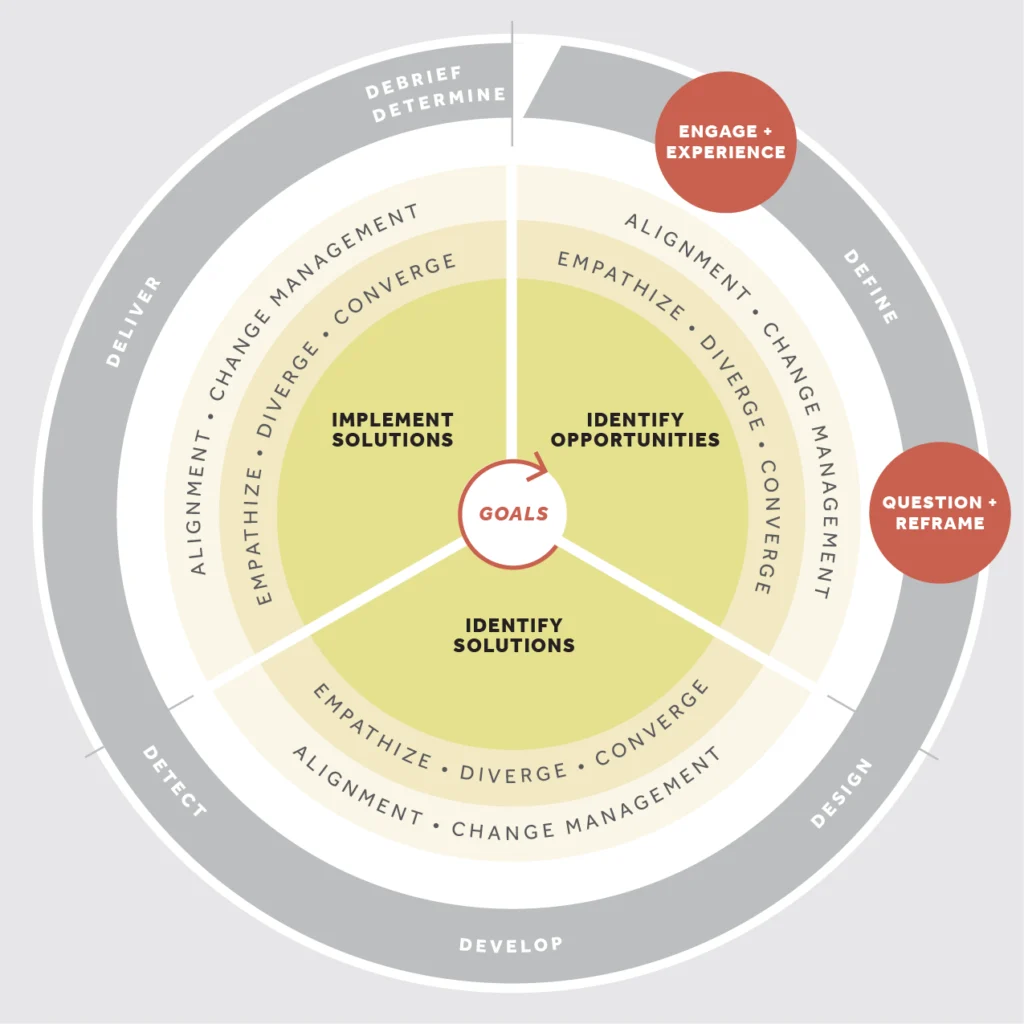
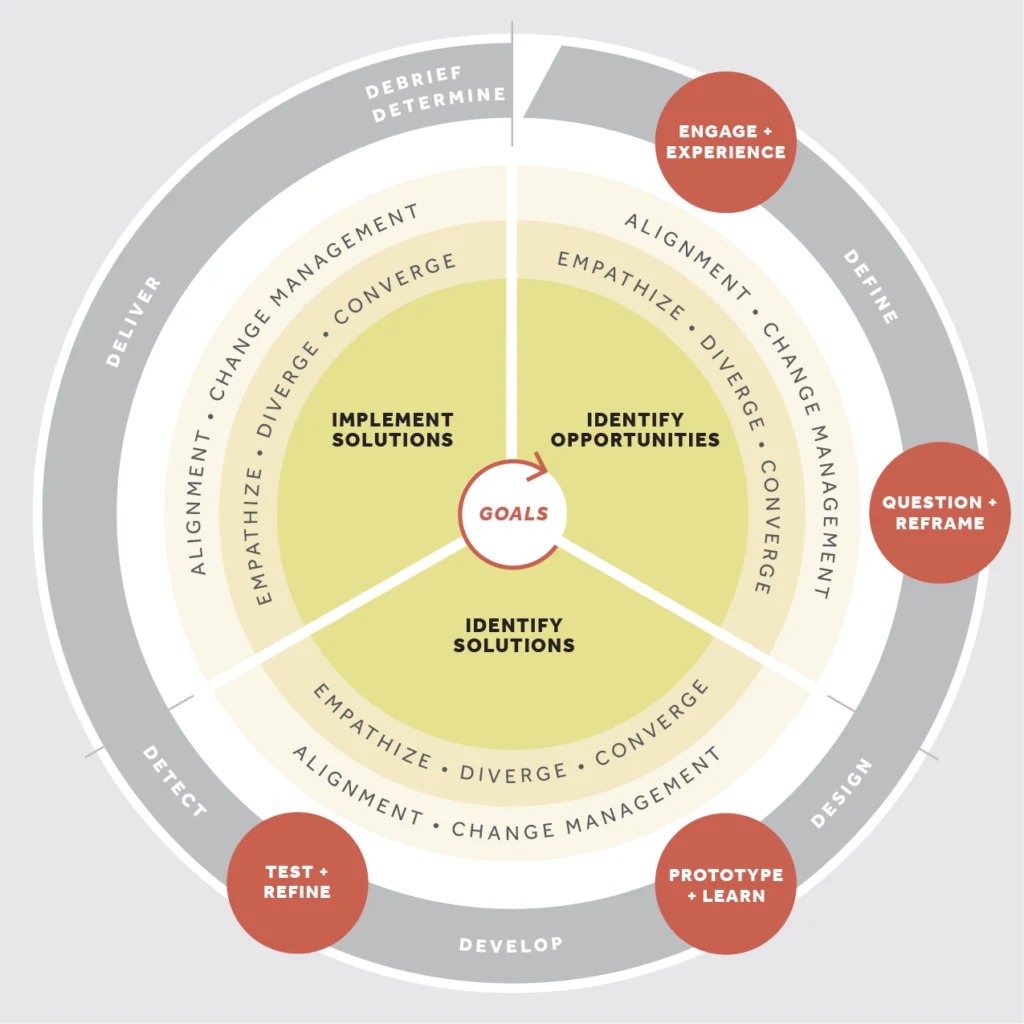
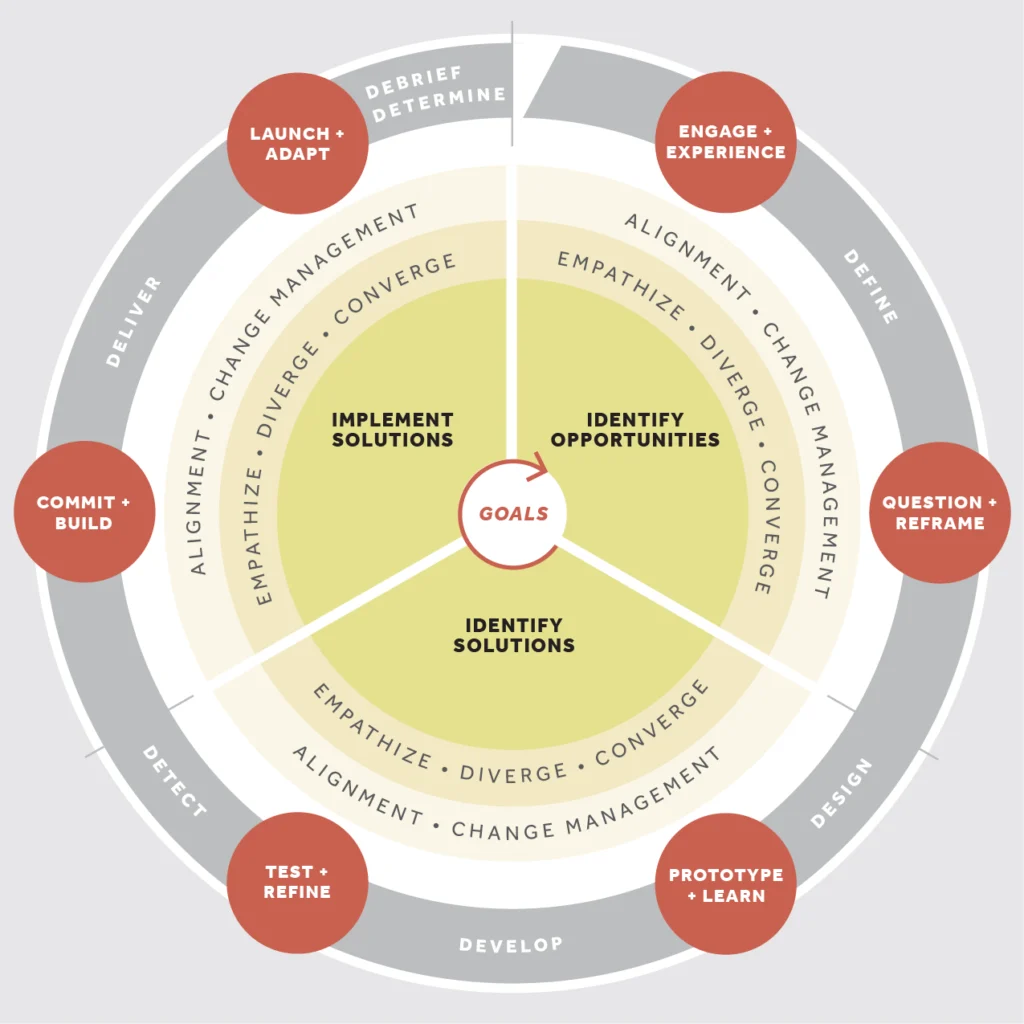
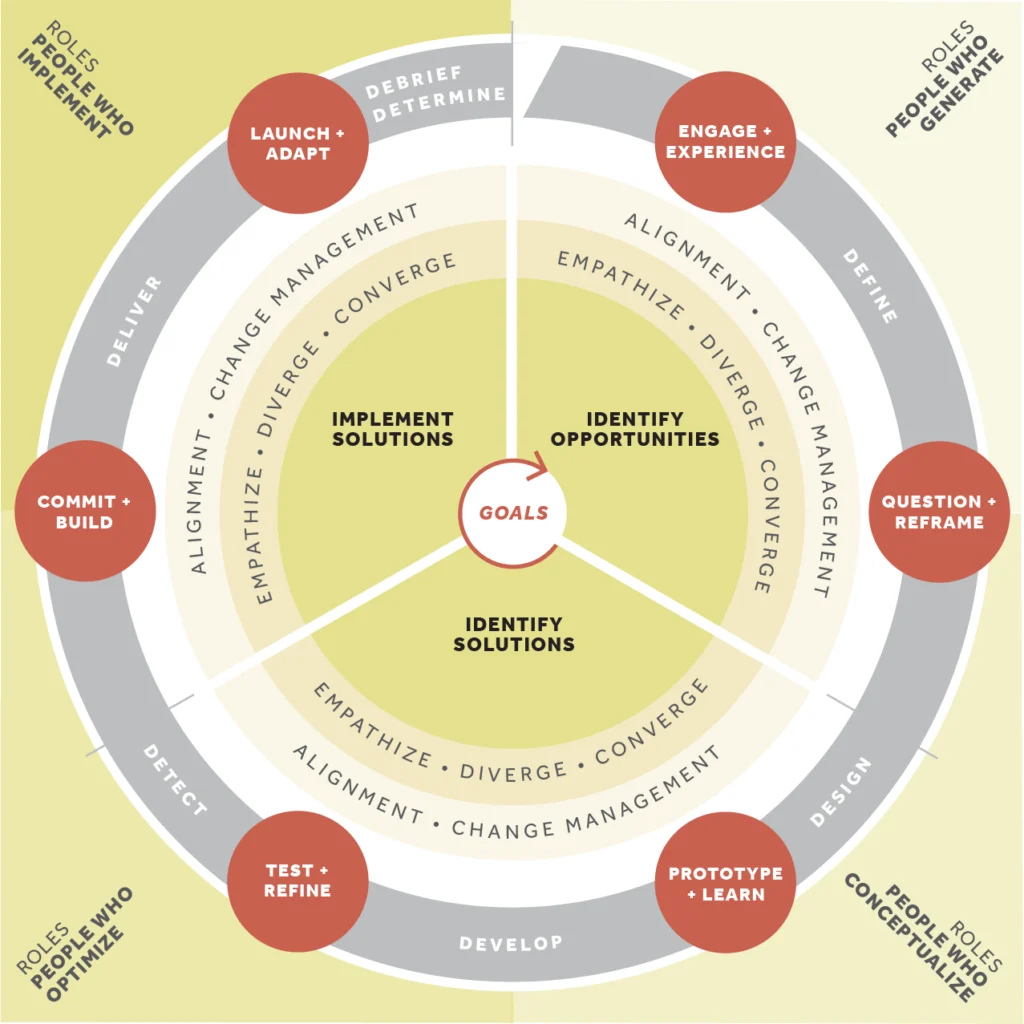
Design THINKING METHODOLOGY • Process and process skills
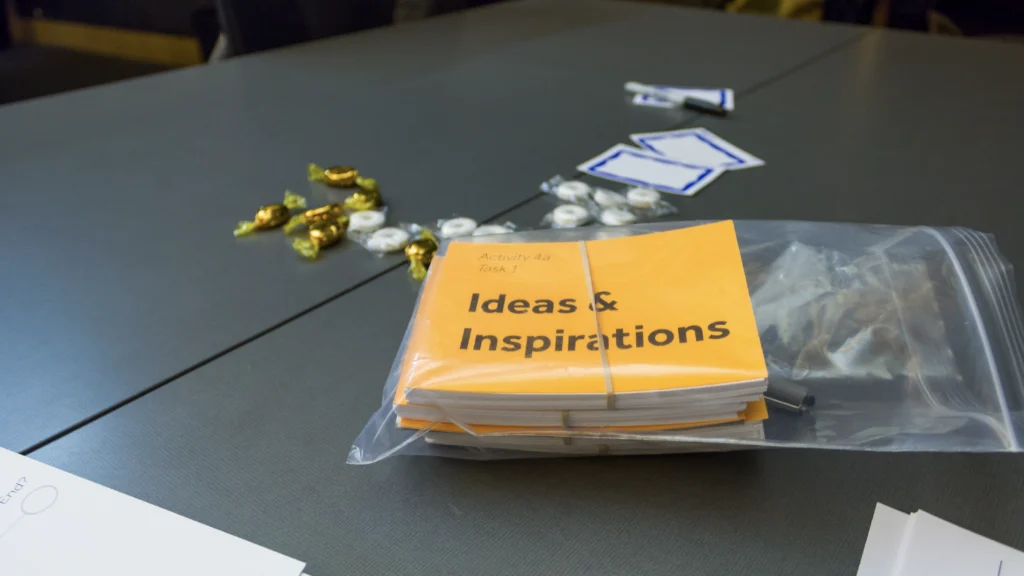
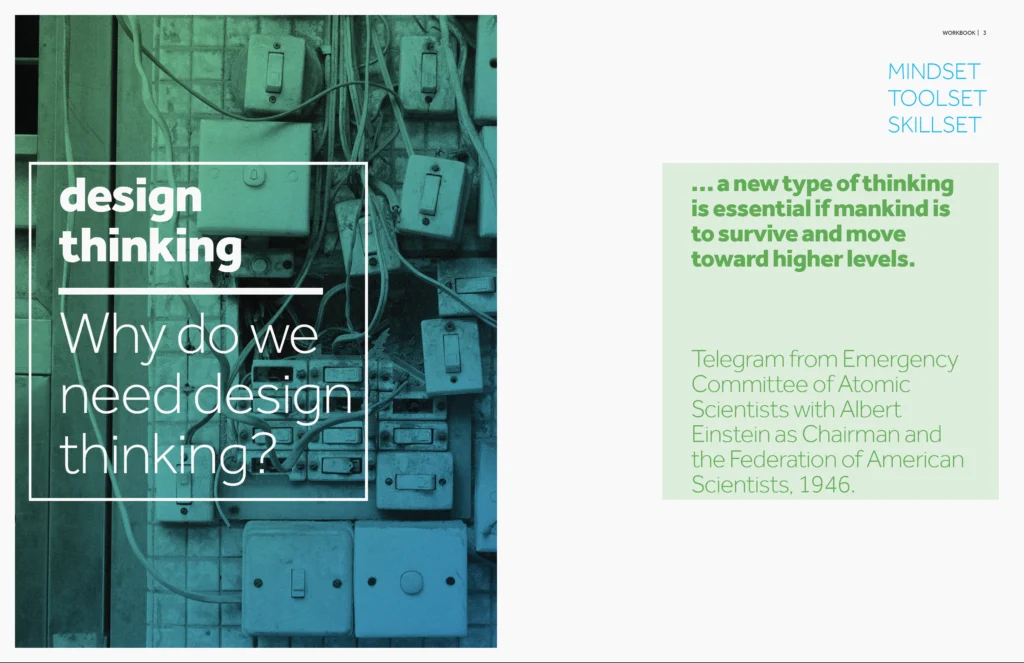
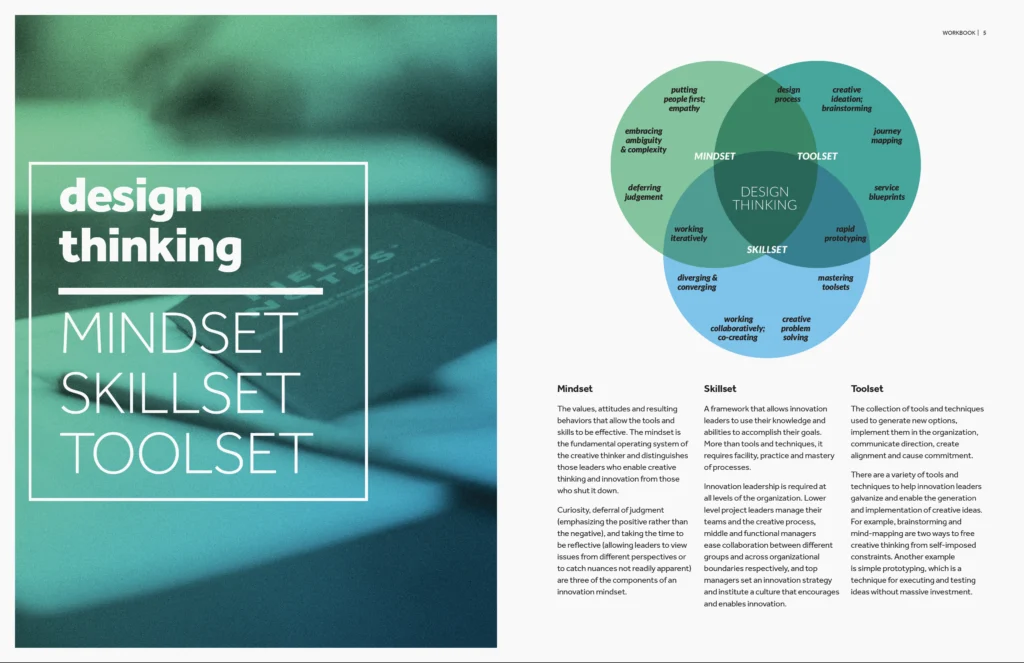
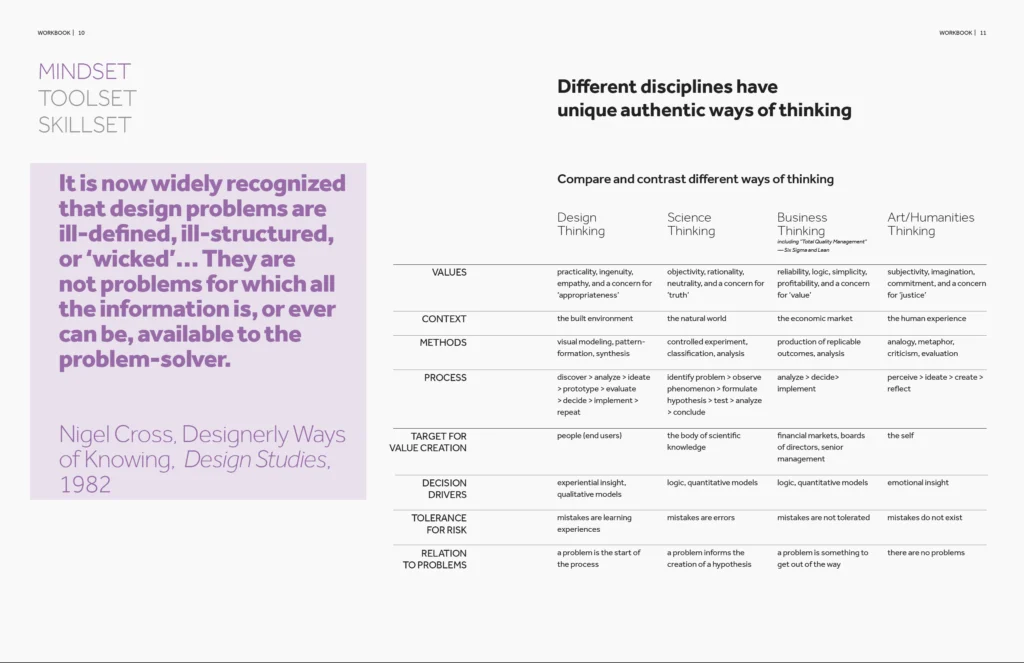
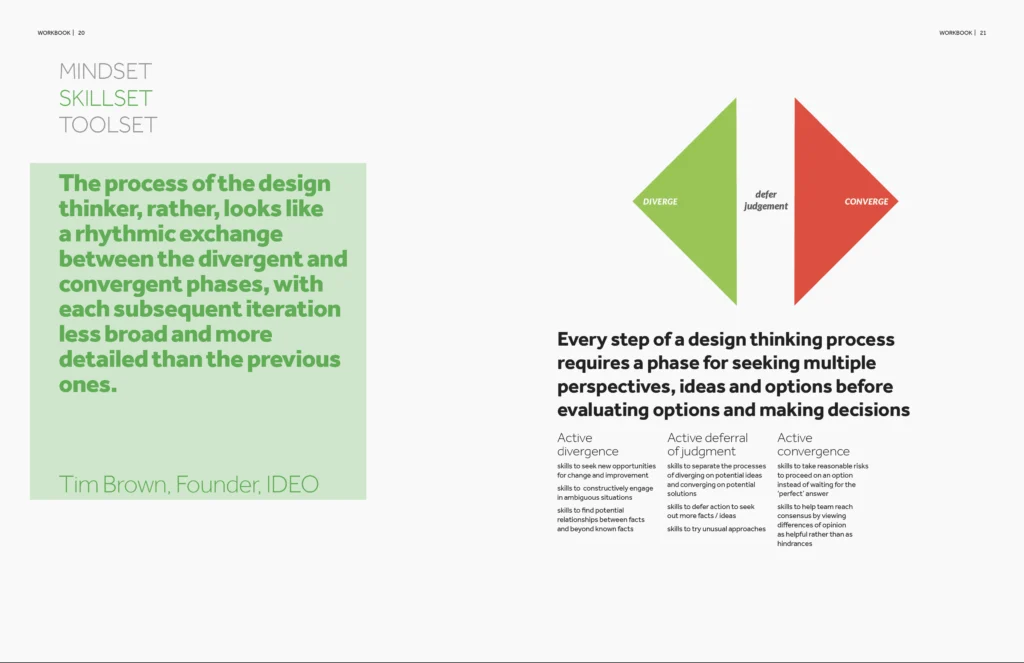
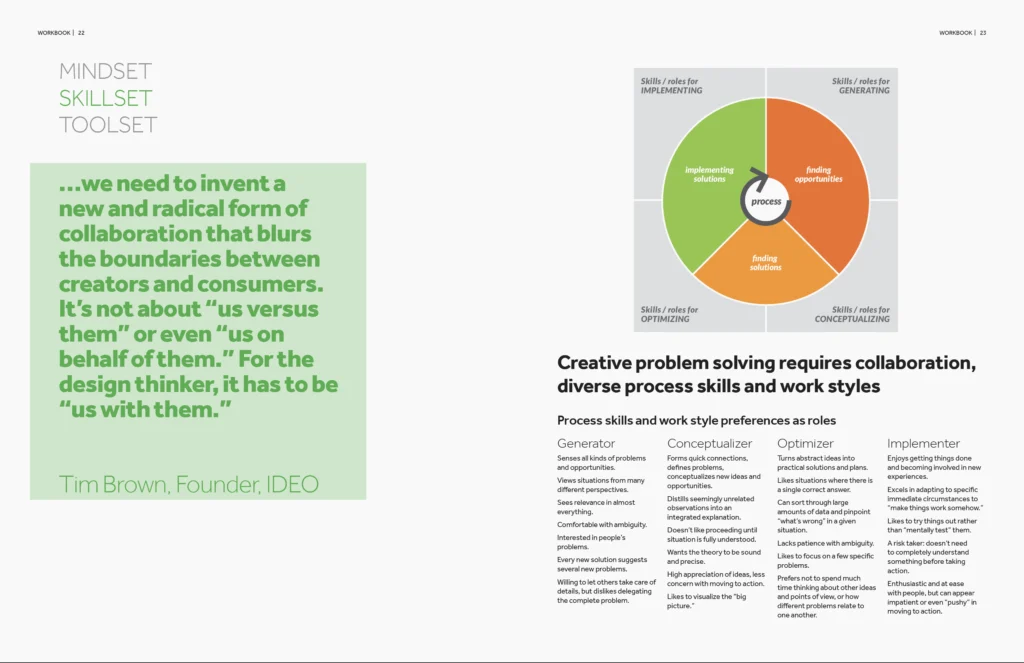
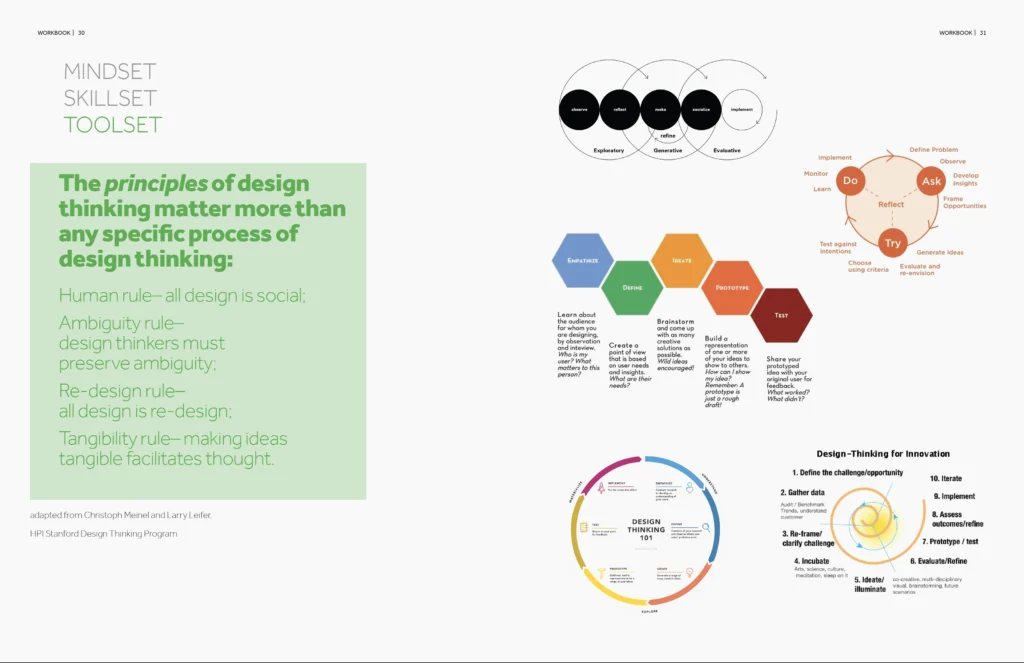
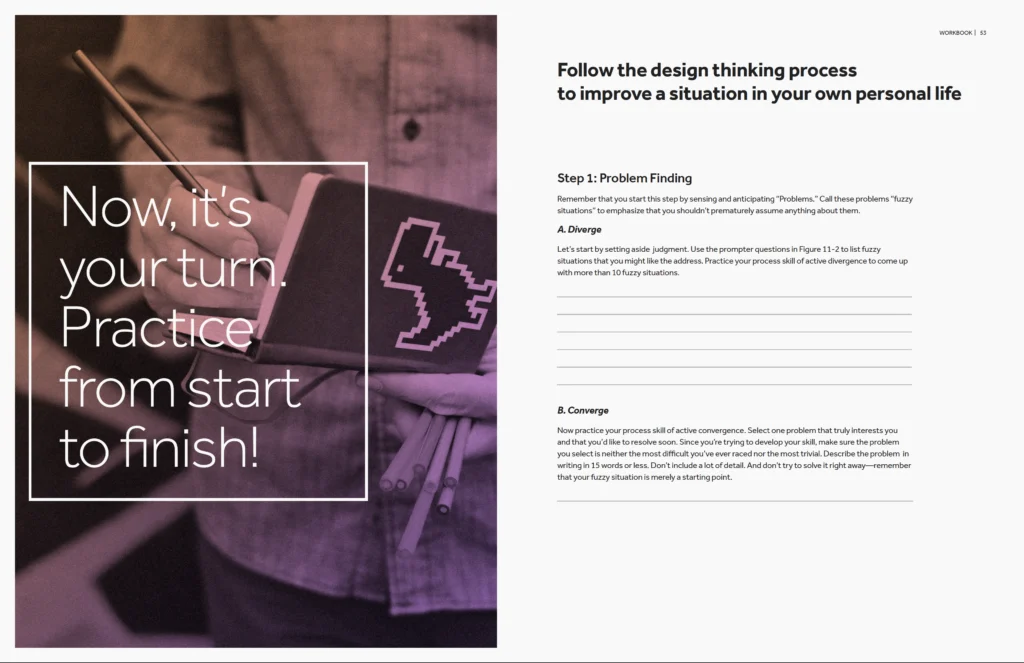
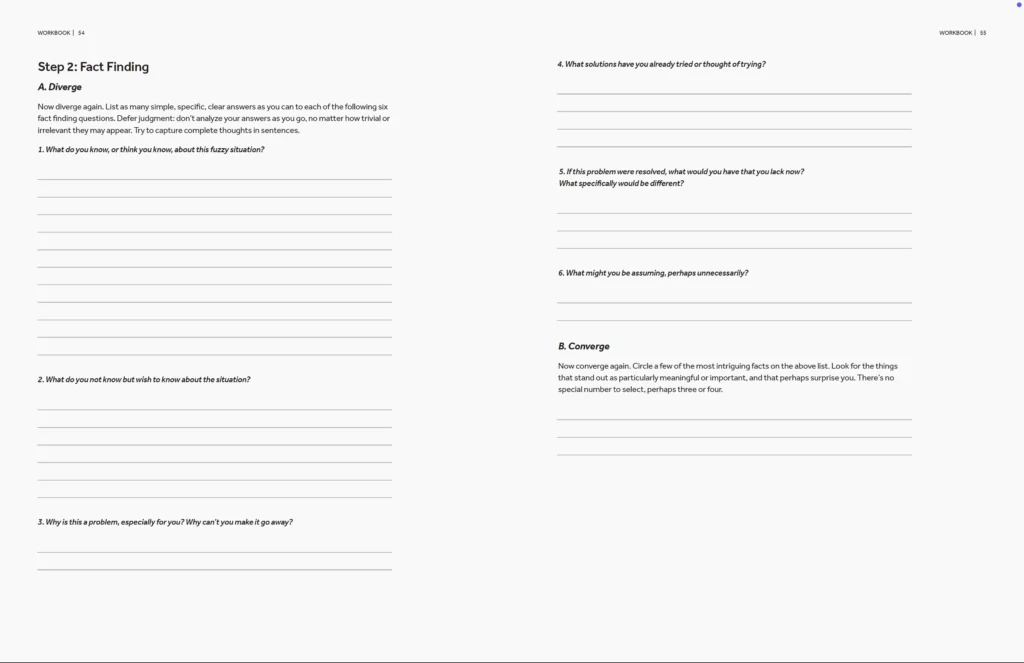
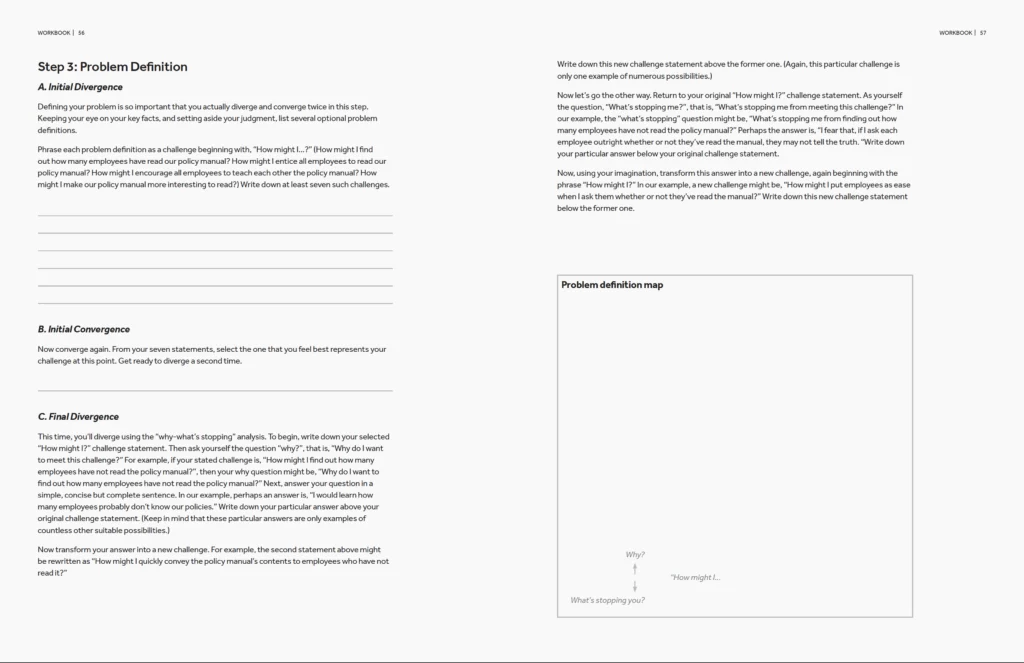
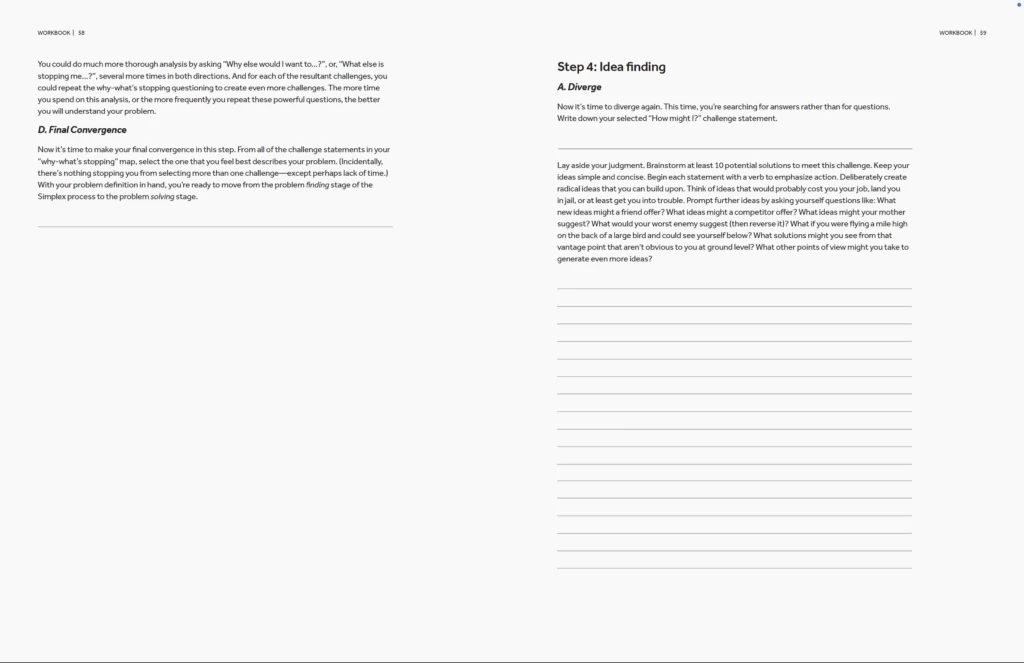
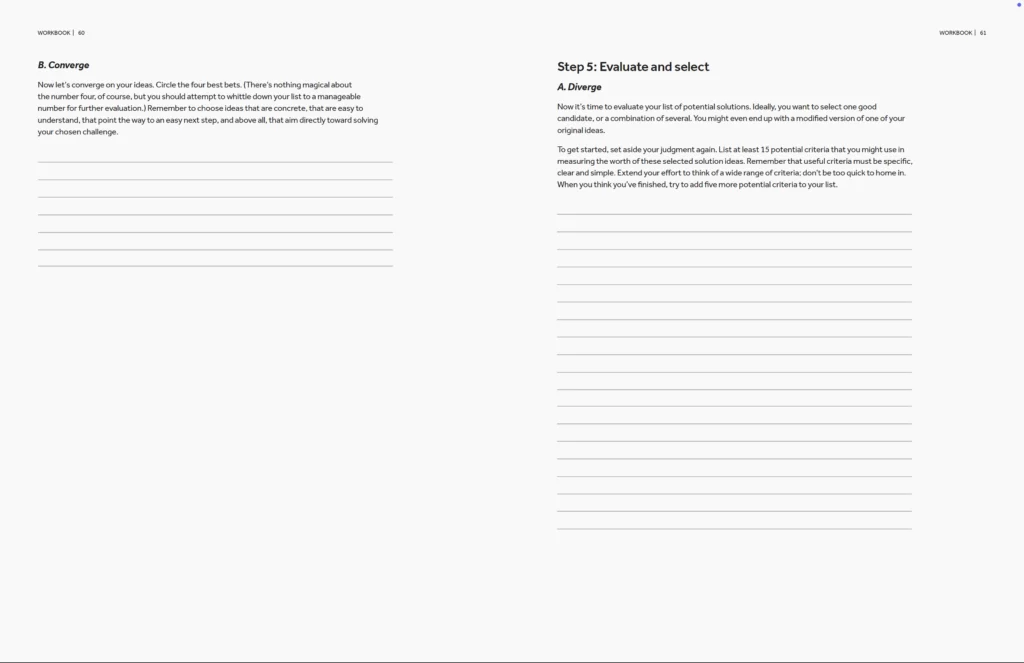
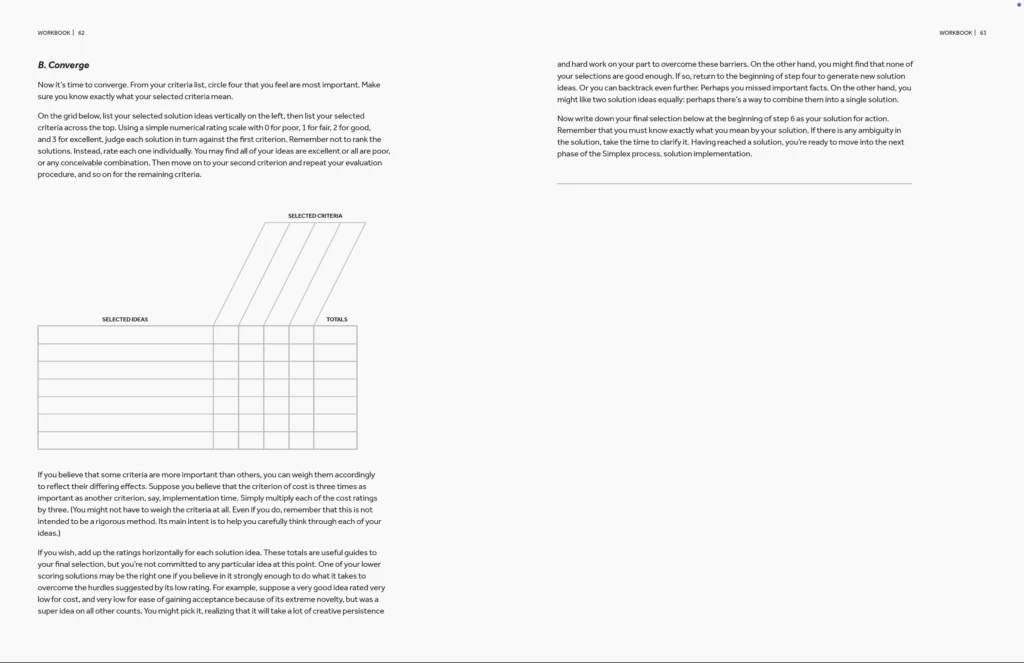
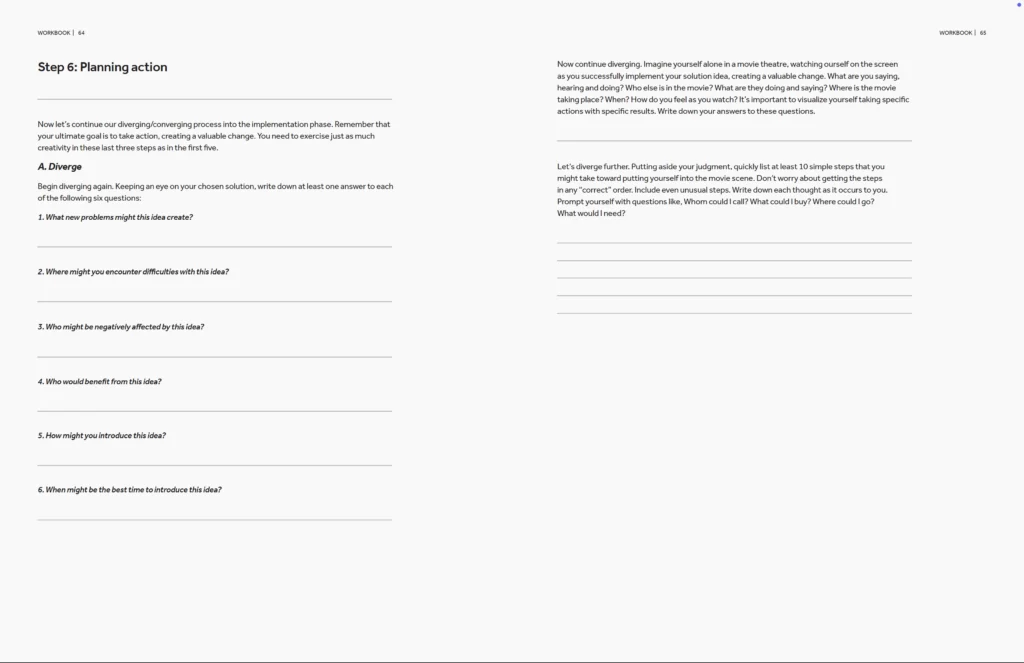
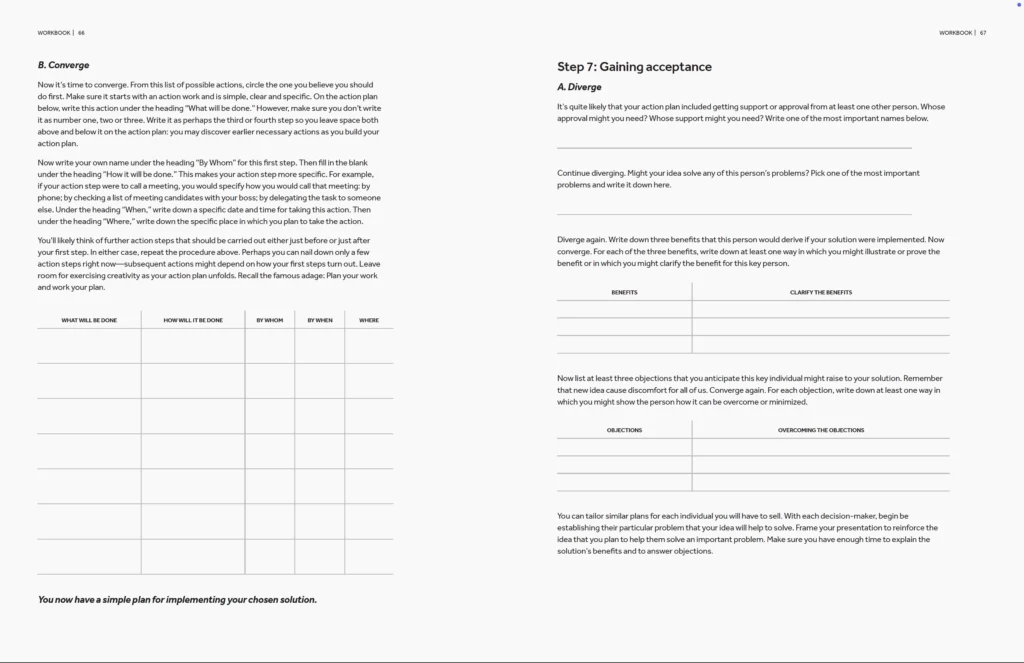
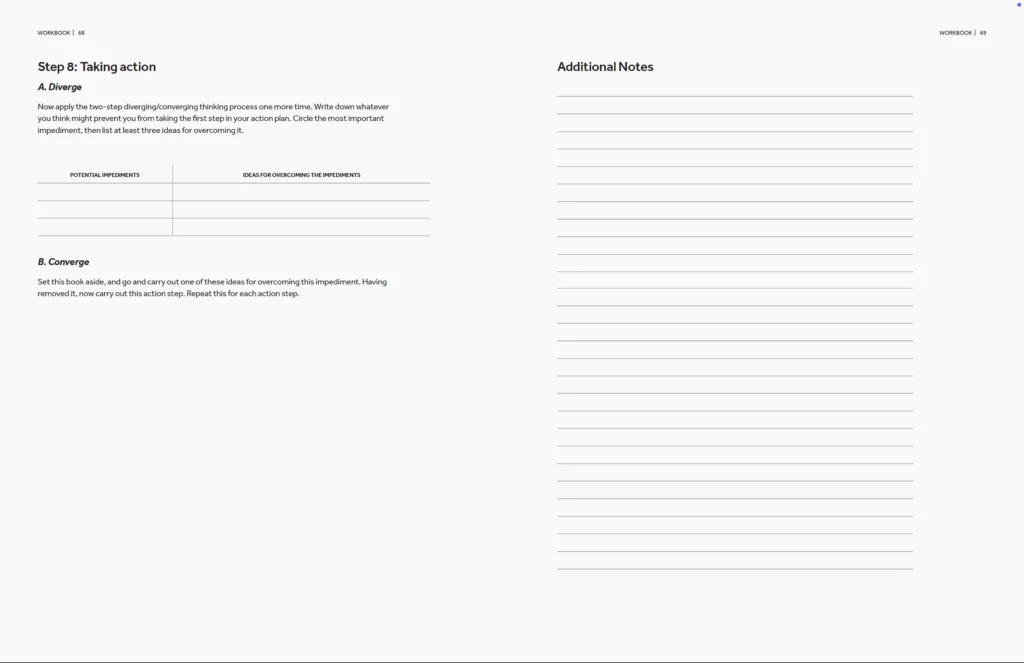
TRAINING WORKSHOPS • Workbook (selected pages)
Flexible approaches for learning the principles of design thinking and creative problem solving. The 8-Step Creative Problem Solving Process was developed by Dr. Min Basadur. Basadur, Min. Simplex: A Flight To Creativity. Buffalo, NY: Creative Education Foundation, 1995.
HAWTHORNE COMMUNITY CENTER • INDIANAPOLIS, IN
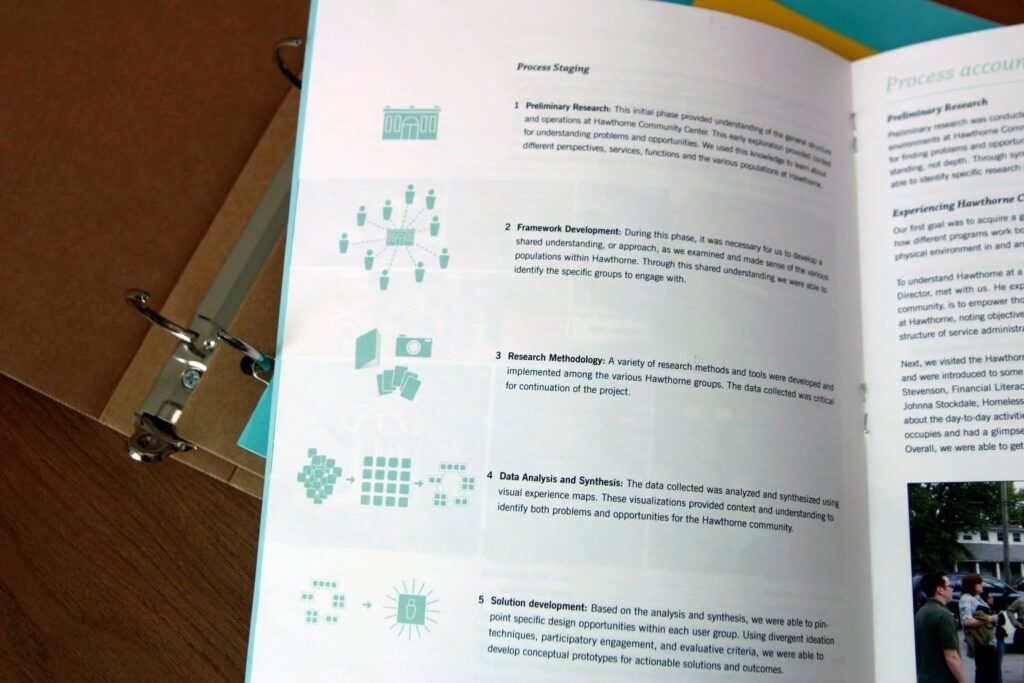
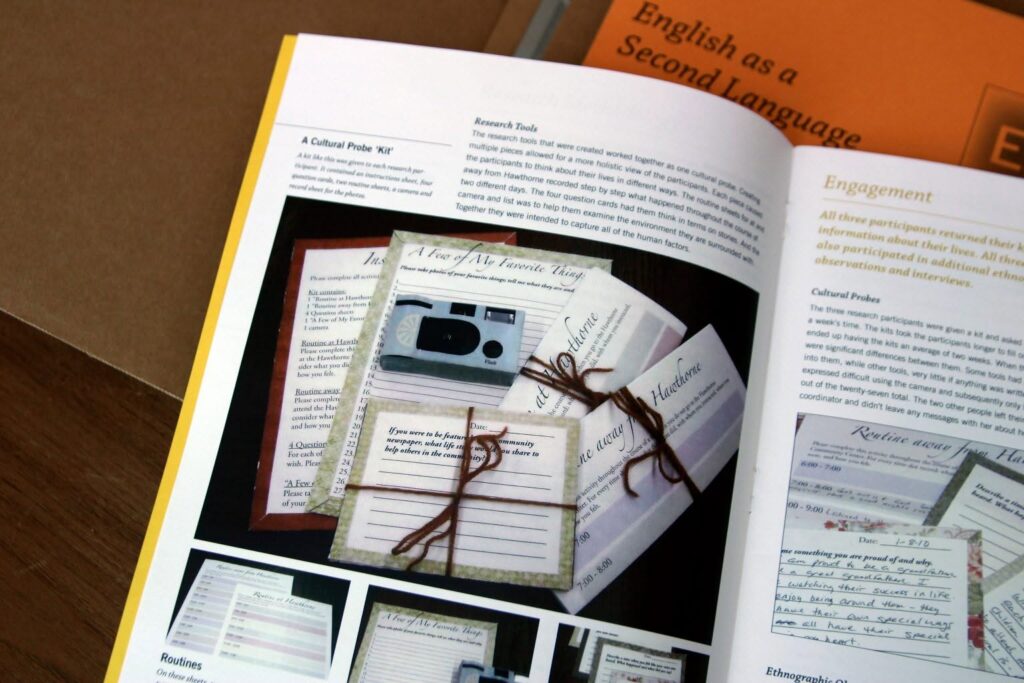
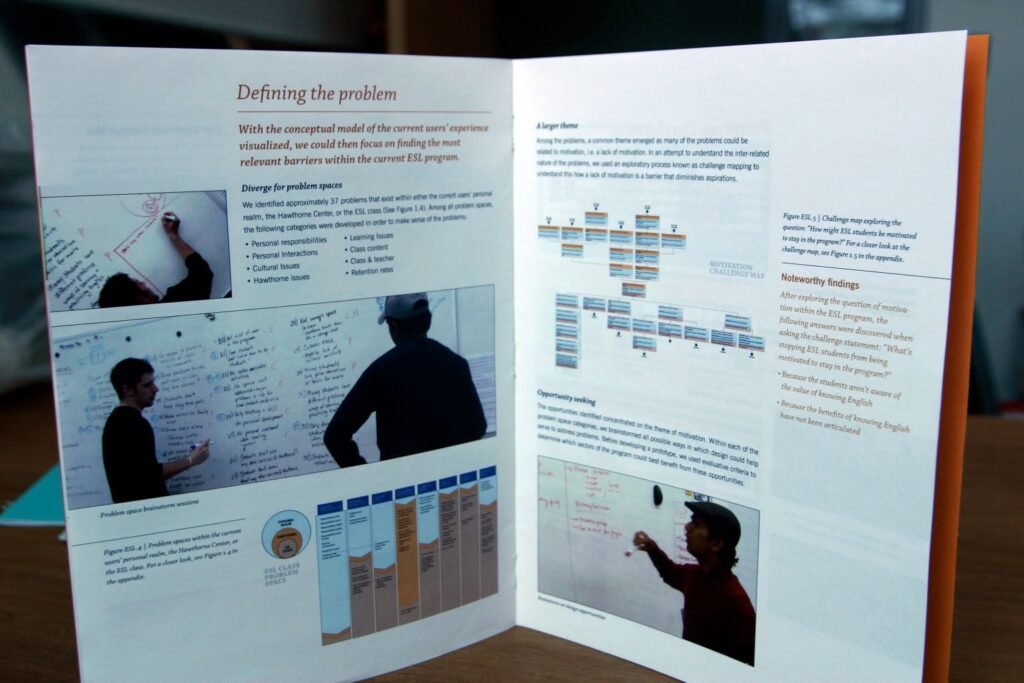
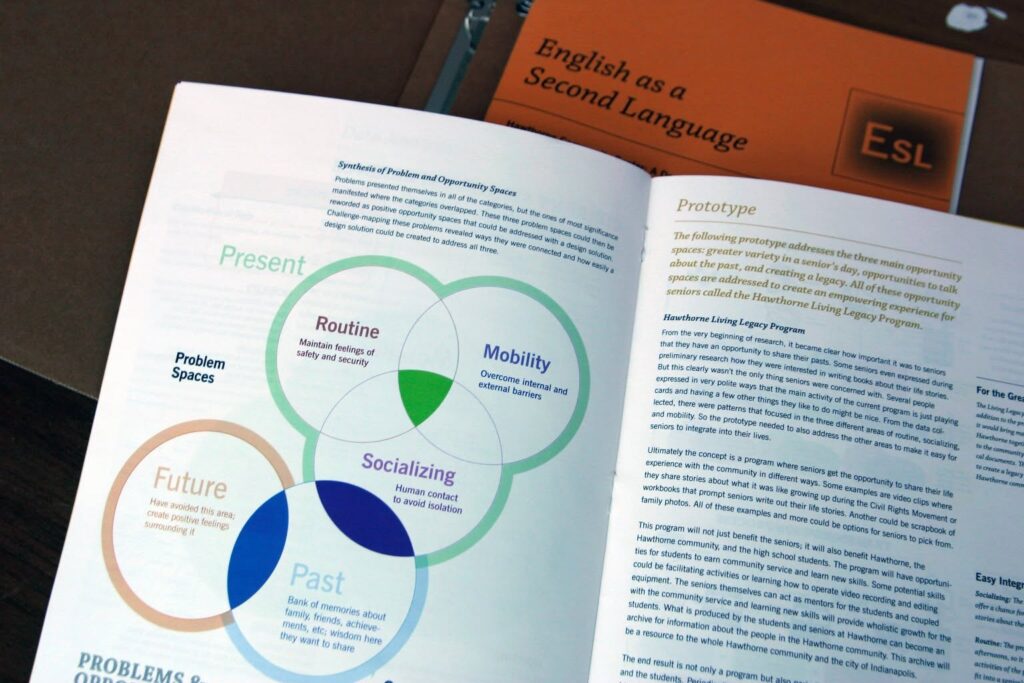
LEARNING STRATEGY DESIGN • Methods in generative design research and analysis
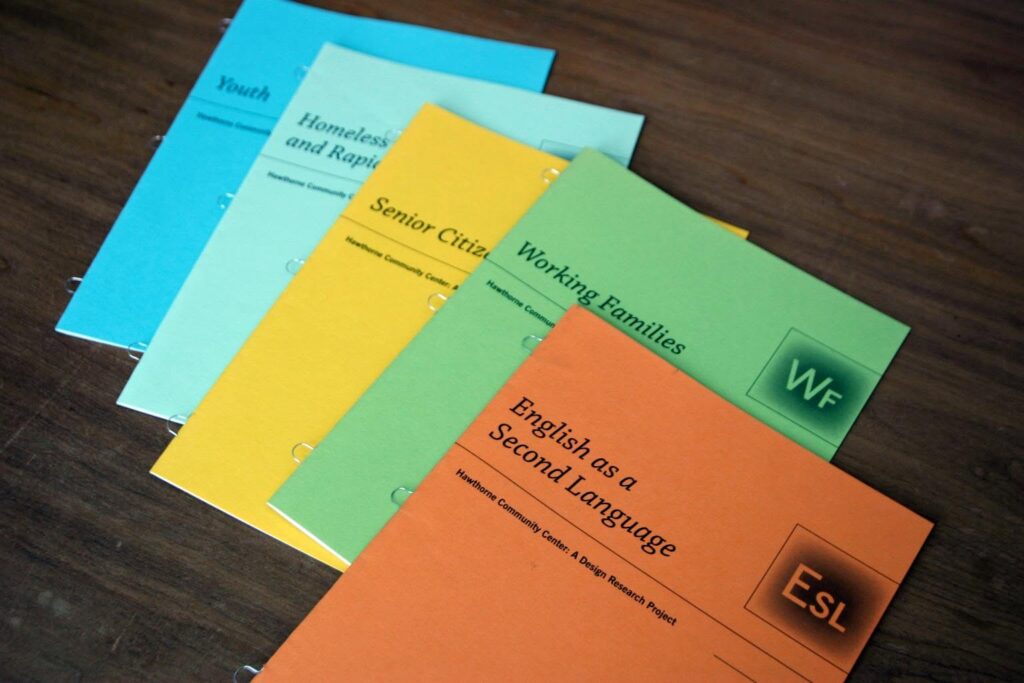
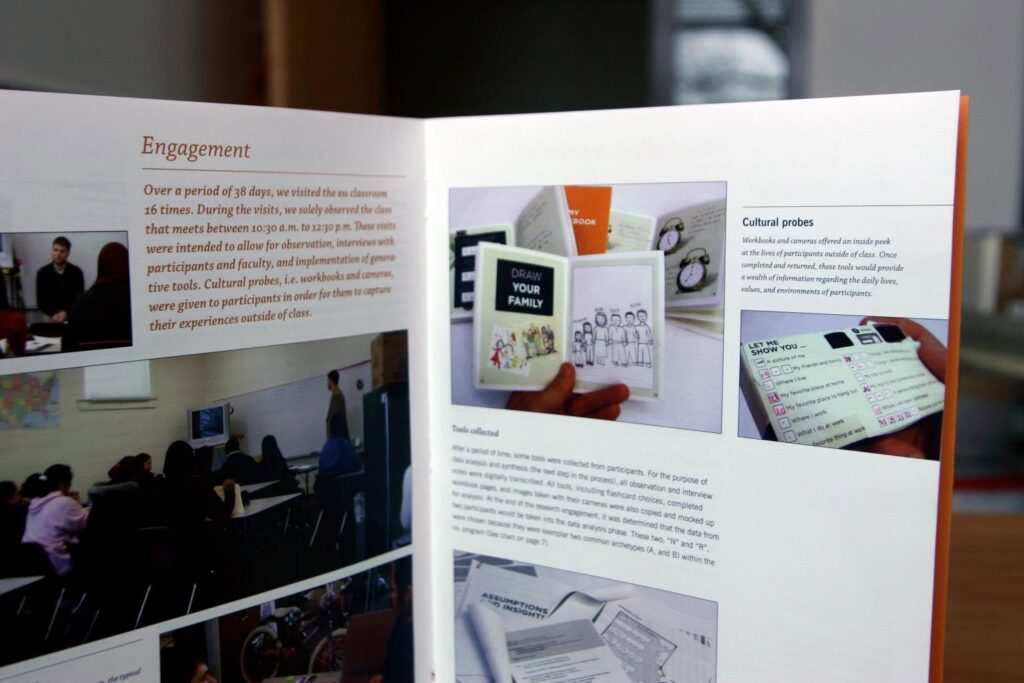
Hawthorne is a nonprofit community center providing early childhood education, youth & senior programs, financial literacy training, immigrant services, adult employment training, and a food pantry.
Roles: People-centered design research with community members facilitated by undergraduate students at Indiana University. Program chaired by Christopher Vice; students supervised by Young Bok Hong.
INDIANA UNIVERSITY • GRADUATE CURRICULUM
MASTERING DESIGN THINKING METHODS • Graduate Thesis by BT Stuck
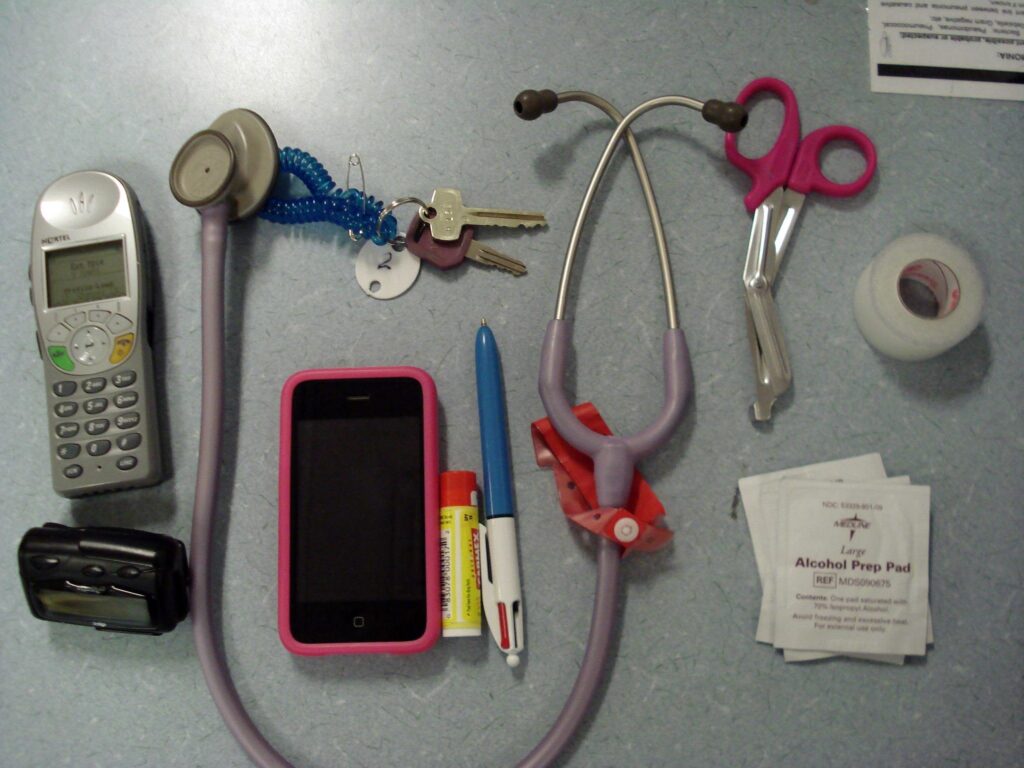
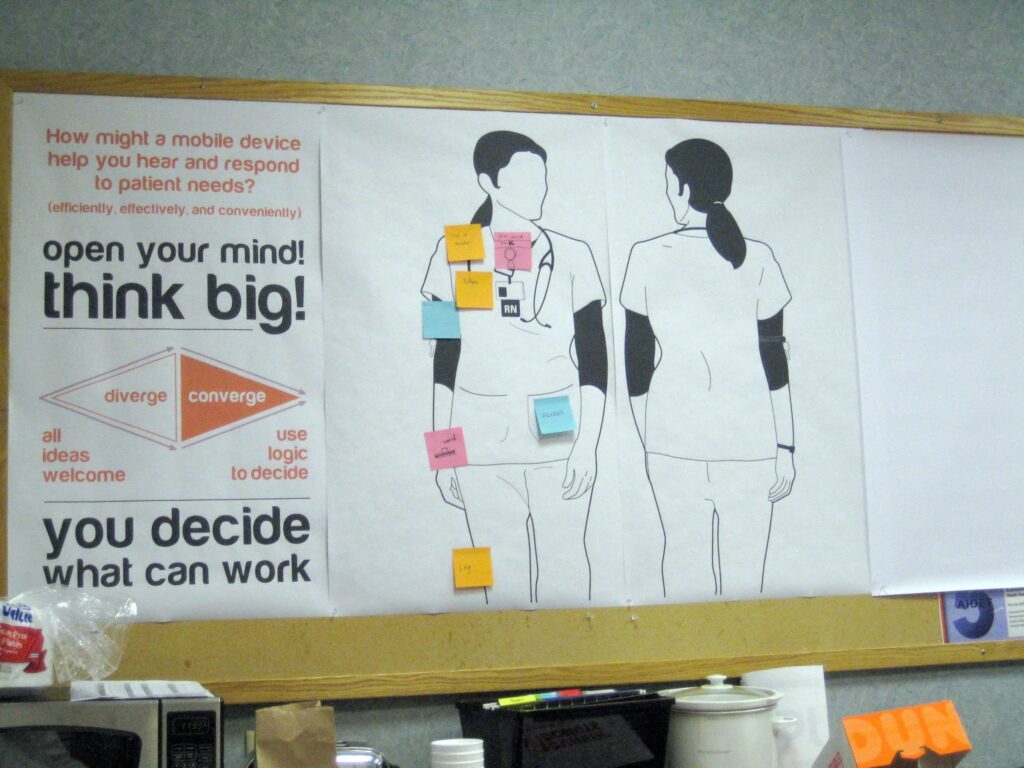
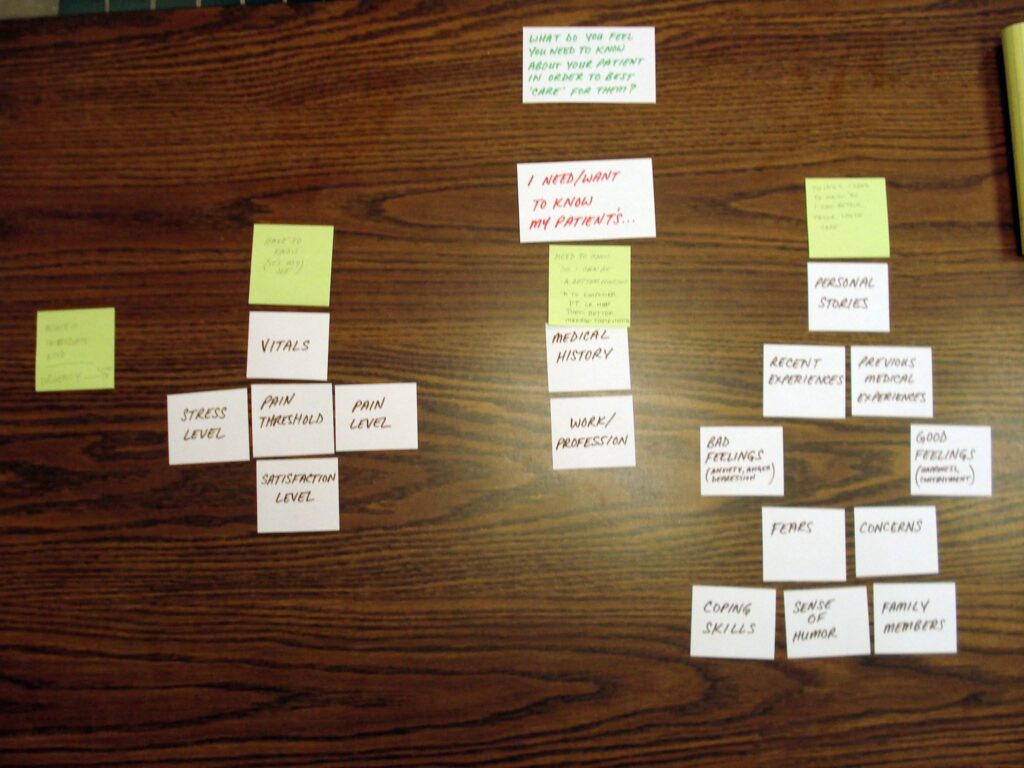
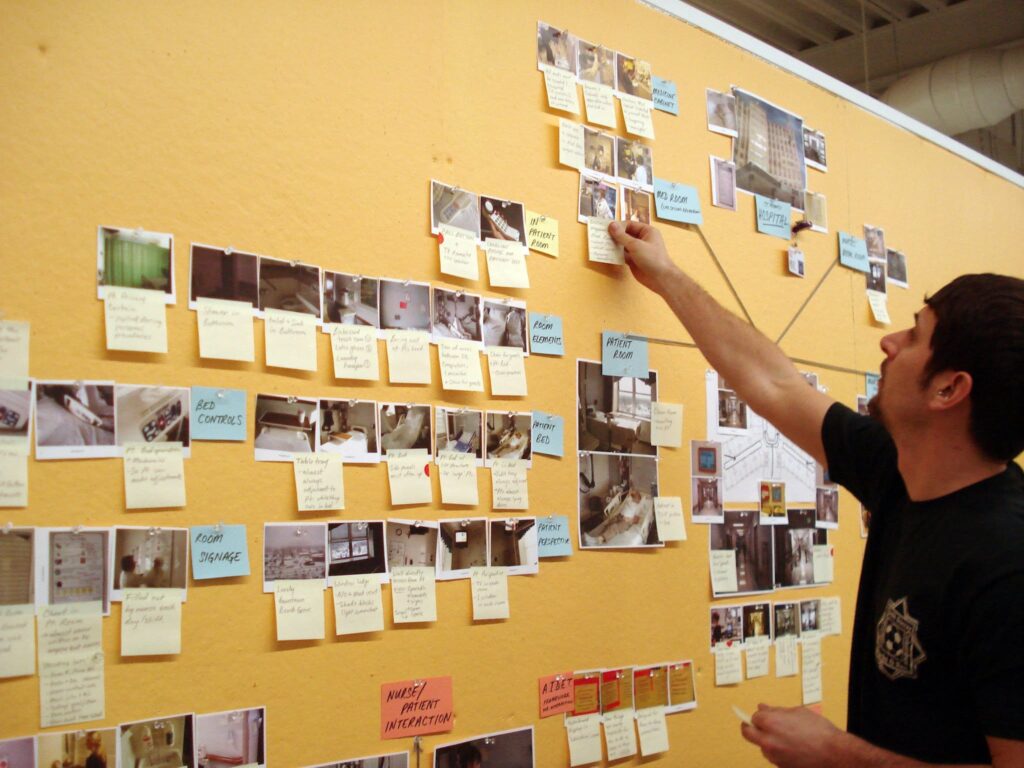
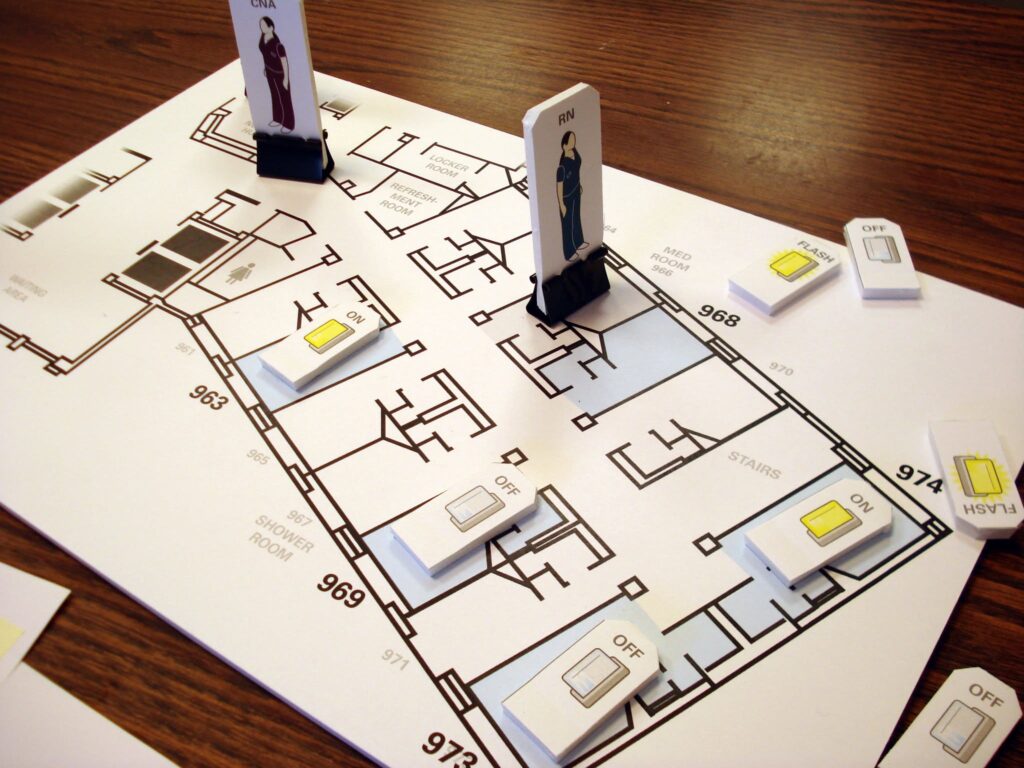
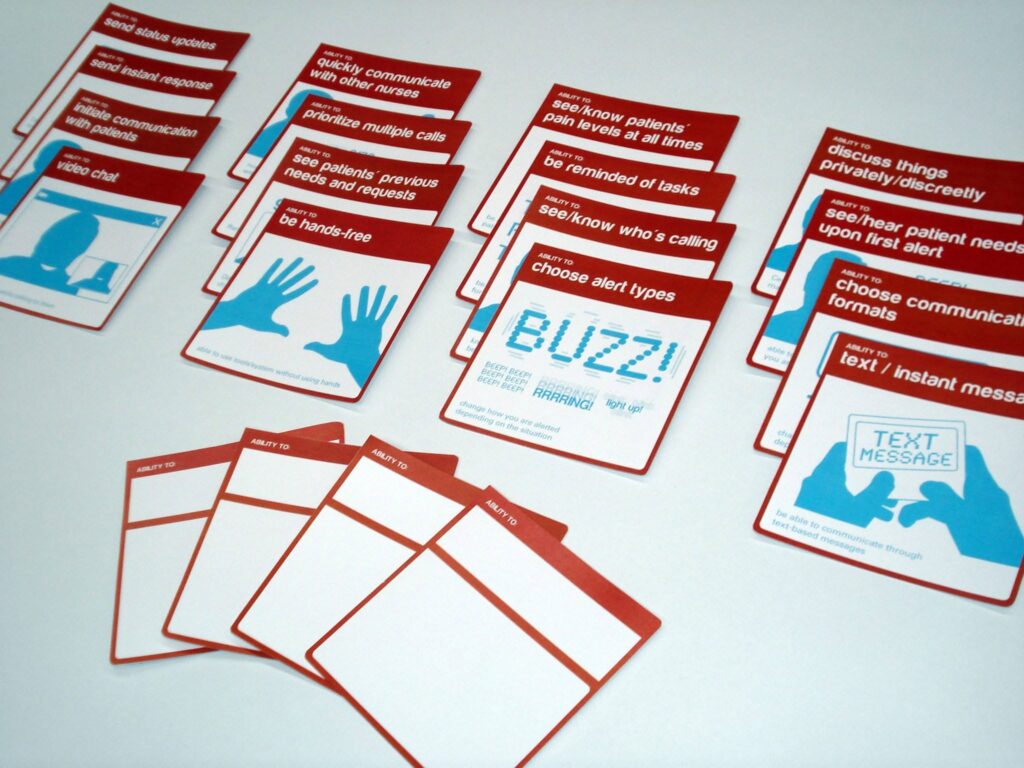
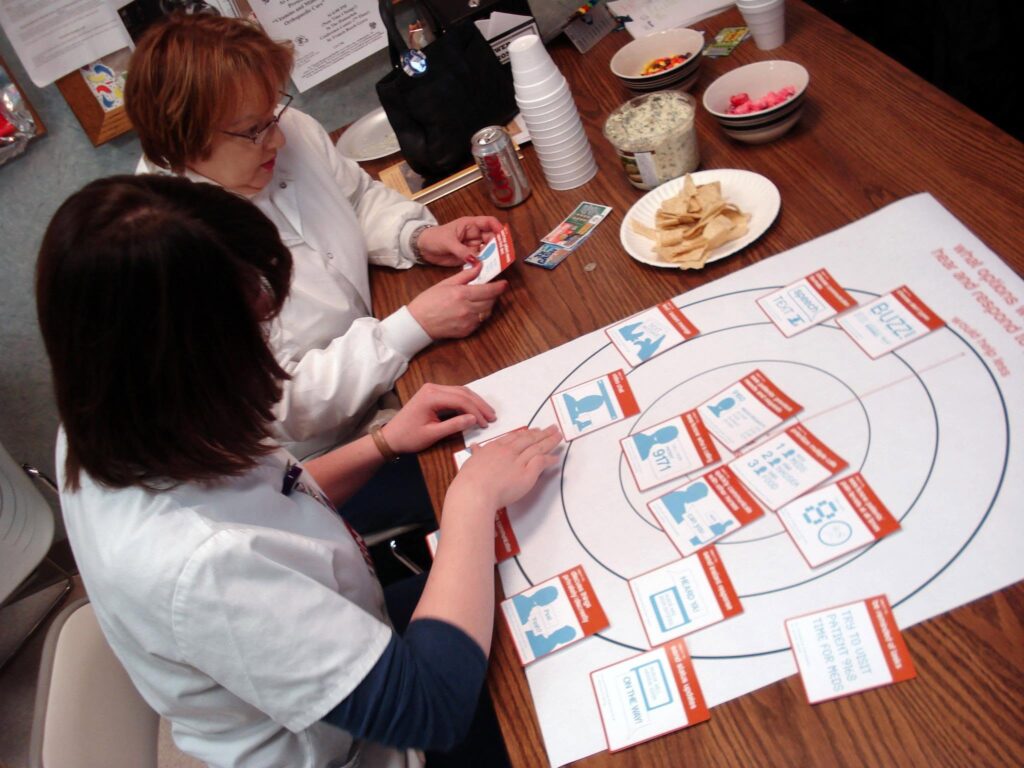
Title: “CO-DESIGN IN PROCESS: The development of mobile devices to improve nurse-patient communication”
Abstract excerpts: “Building on the notion that nurses should be involved in the design of such tools in order to prevent adverse effects, a highly participatory approach to design—co-design—was applied in the development a mobile device. This paper explores the effects the approach had on the process used to design the device as well as the outcome itself.
Nurses’ participation across the span of the design process enabled an understanding of (1) factors that affect nurse-patient relationships, (2) the development of tools to elicit ideas, (3) appropriate points in the design process in which to utilize the expertise of nurses, and (4) ways in which co-design can streamline interaction design activities. Overall, the application of a co-design approach resulted in a divergence from the typical interaction design process in the nature of participation, the nature of research approaches and activities, and the solution developed.
Nurses’ ideas and decisions affected the both the user requirements and functional requirements of the conceptual device ultimately created. With their inclusion, of a highly specialized communication device was envisioned—one that enabled the empathic abilities of nurses, and thus, promoted therapeutic relationships. Such results suggest wider uses for co-design both inside and outside of health care.”
Roles: Graduate Thesis Project conducted by BT Stuck, Indiana University, May 2011. Graduate Thesis Committee: Pamela Napier, Lee Vander Kooi, Christopher Vice.

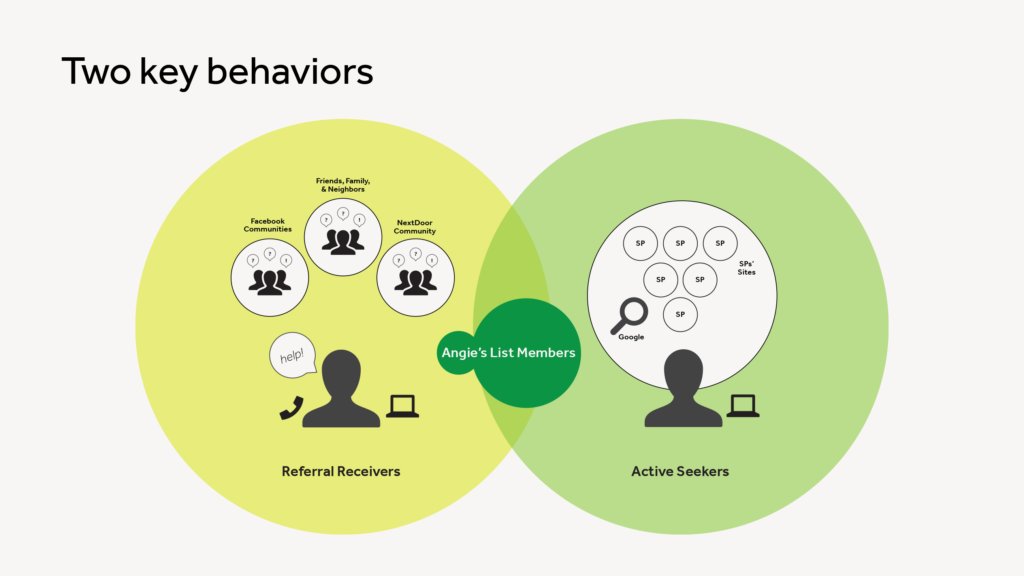
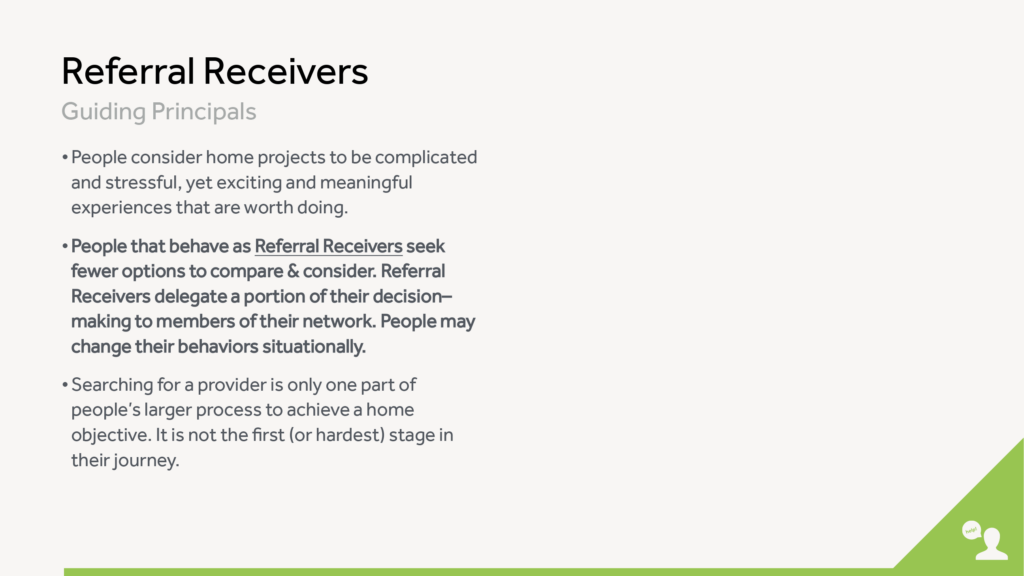
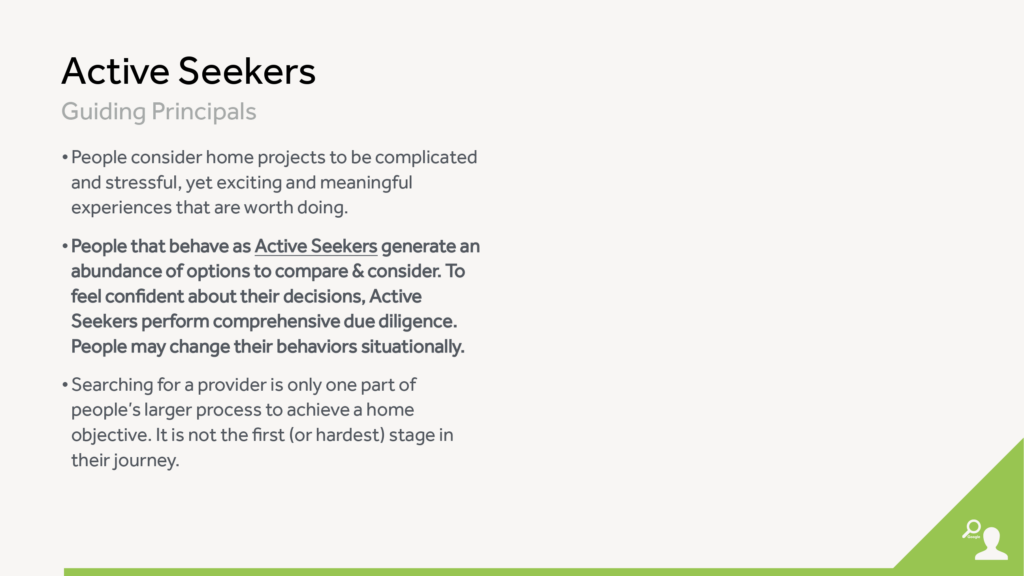
ANGI (FORMERLY AnGIE’s LIST) • HOME SERVICE PROS
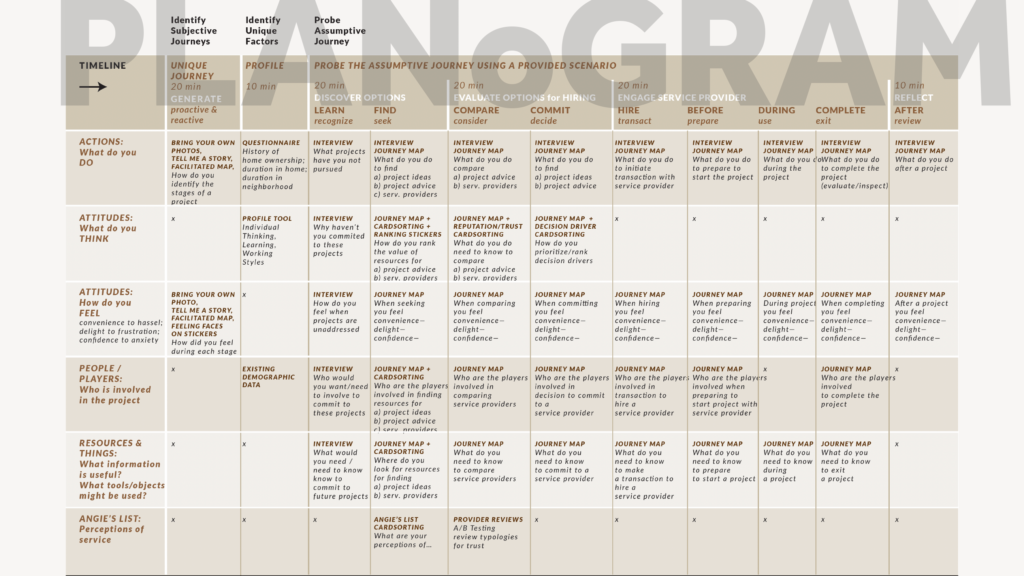
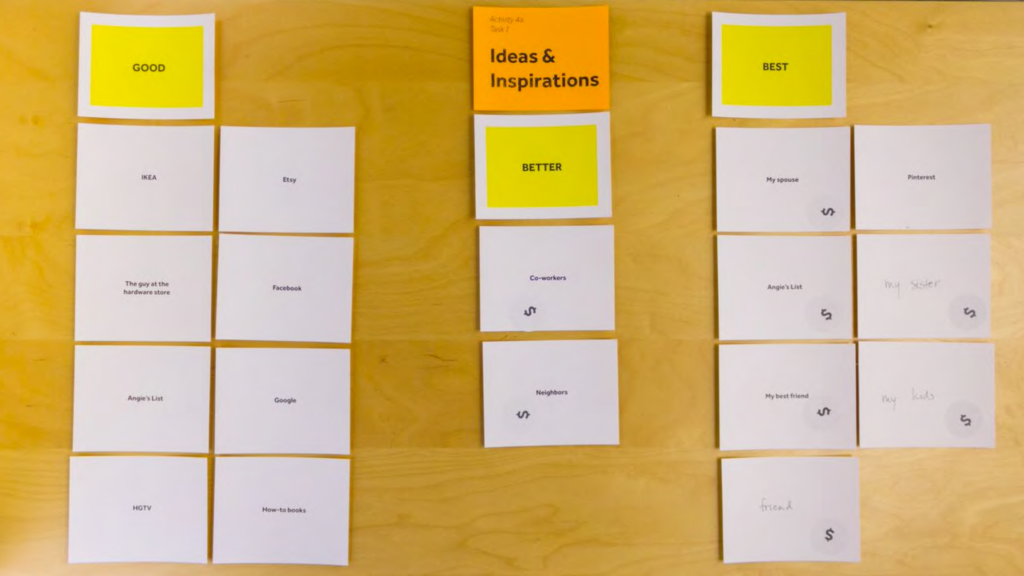
B2C SERVICE PLATFORM • Generative design research
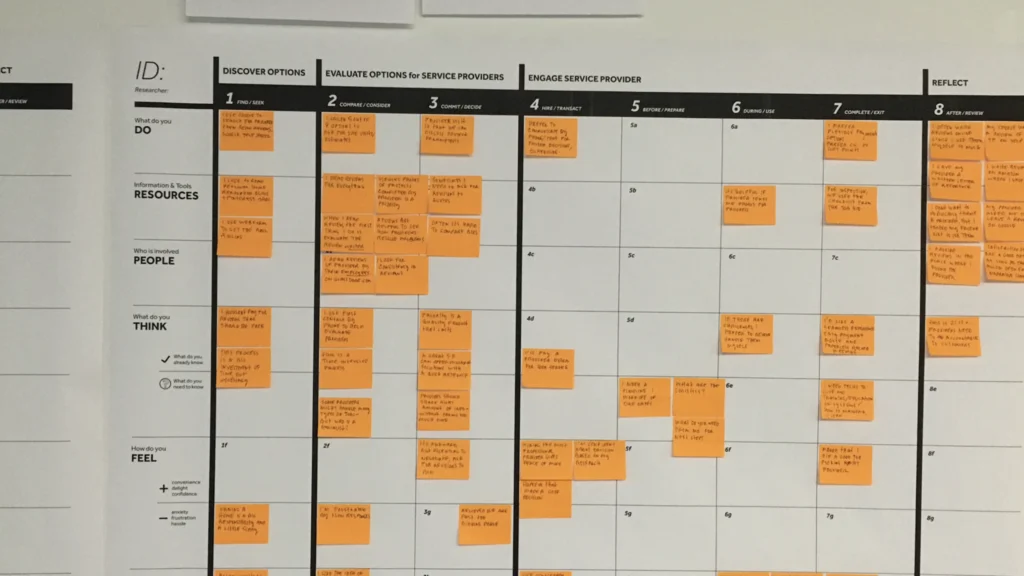
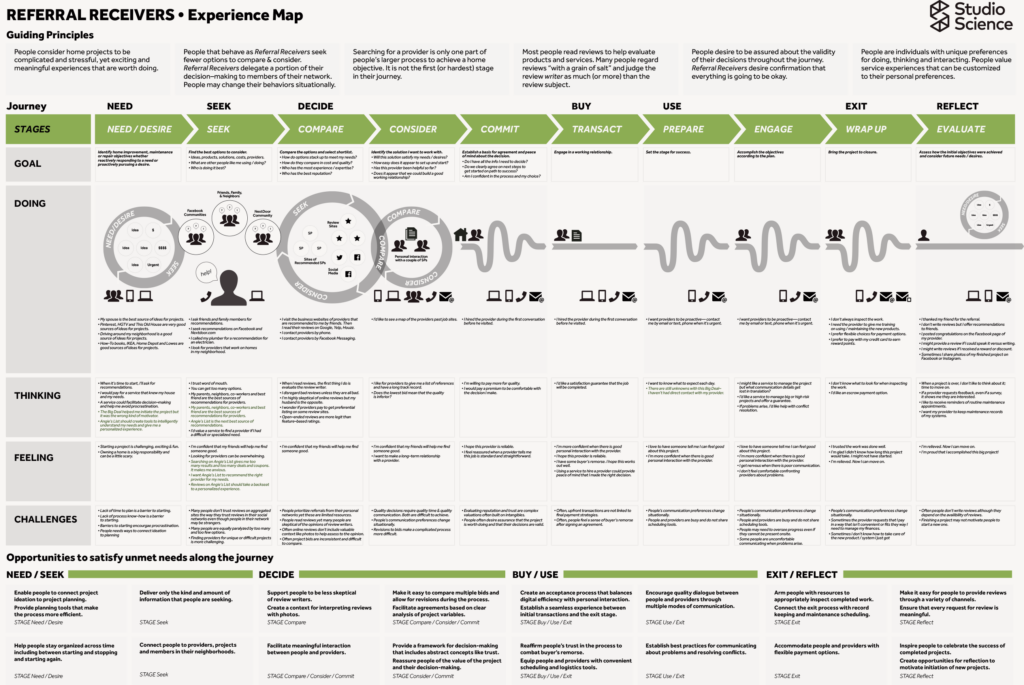
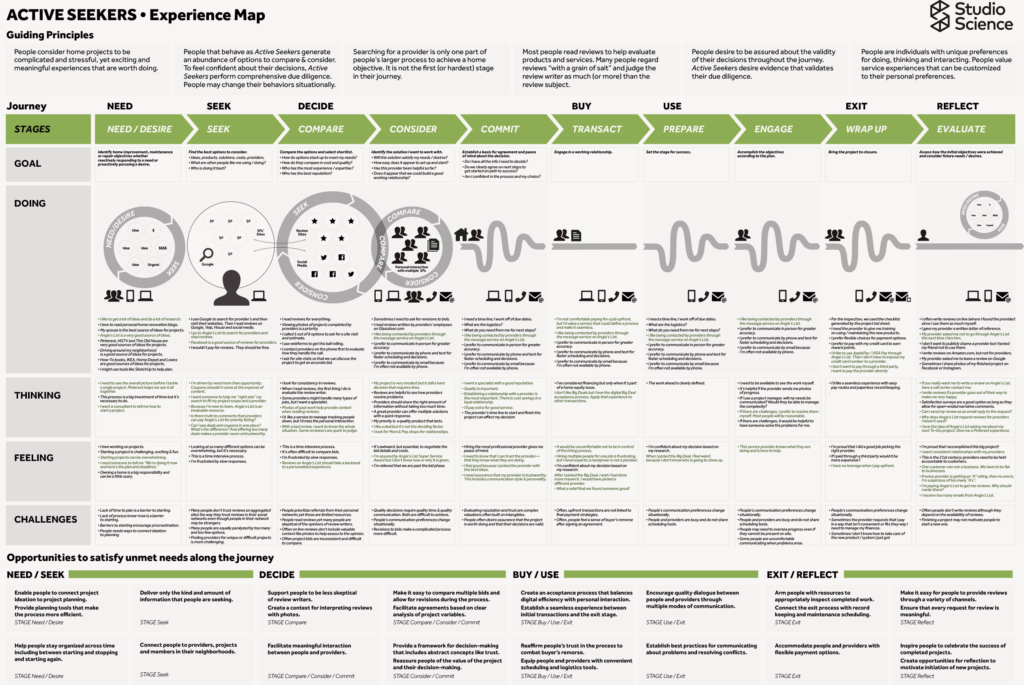
• map authentic customer journeys to replace invalid assumptions
• identify opportunities for product and service innovation to drive new revenue
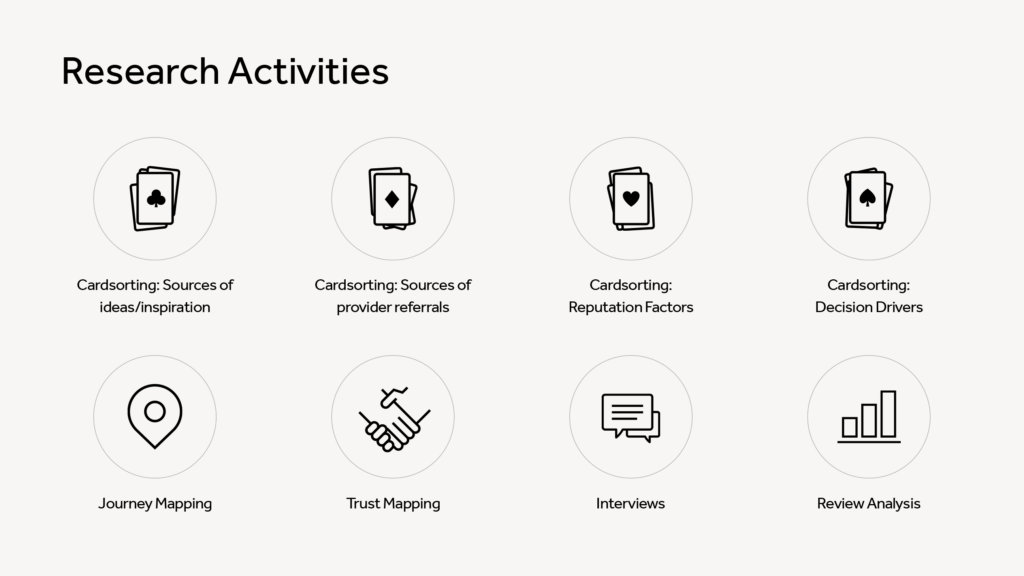
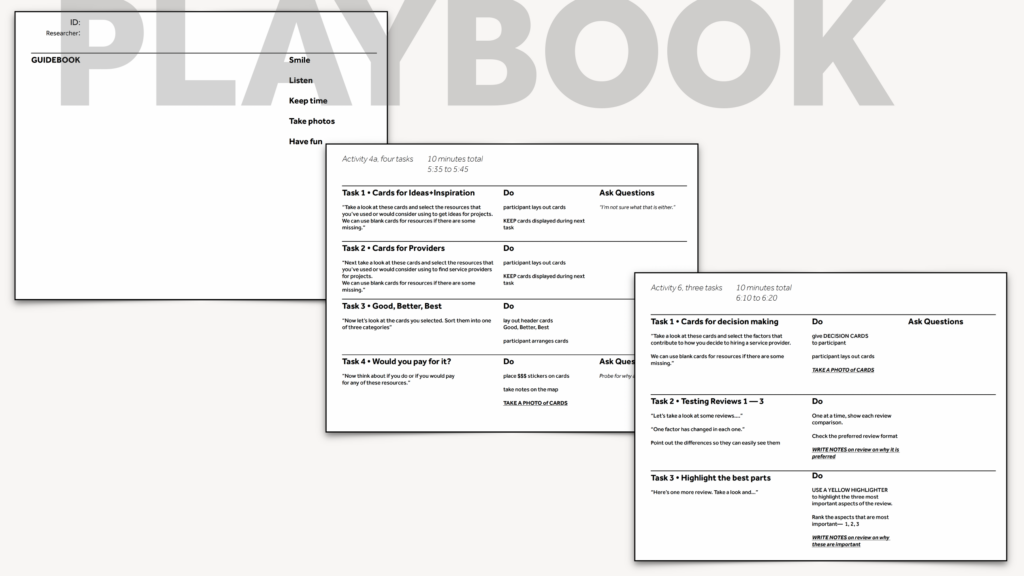
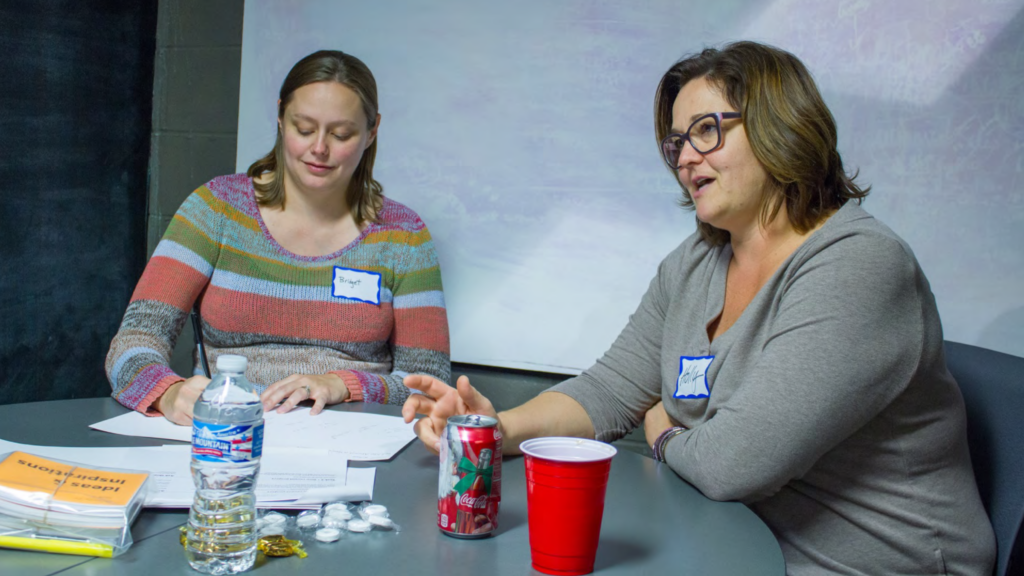
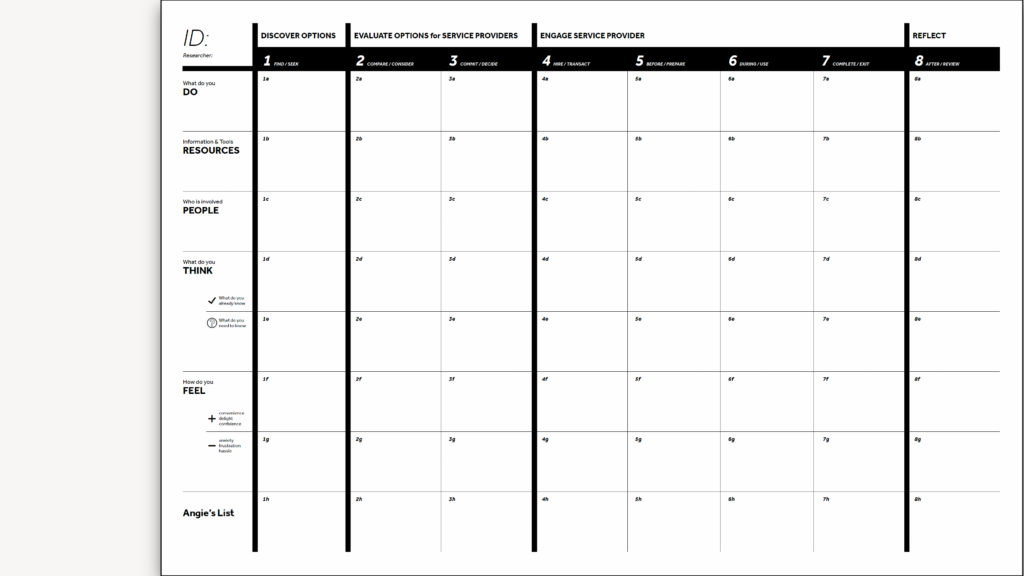
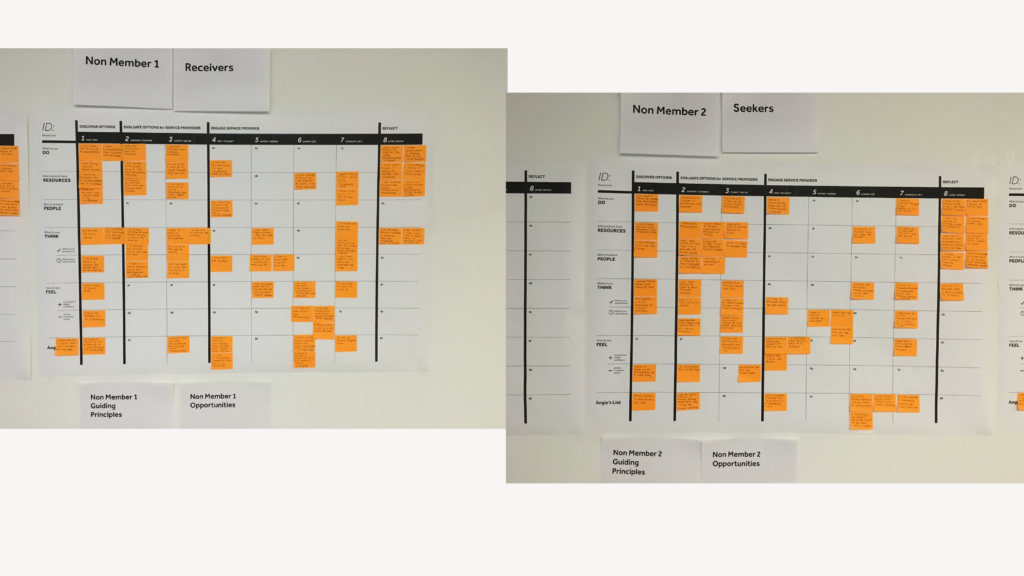
Role: Developed research plan, designed research tools, supervised data collection, analyzed data, synthesized insights, mapped journeys, facilitated cross-functional executive session to ideate and rapidly prototype new business opportunities
Customer journey maps by psychographic protopersona
Research planning process